The VP Gallery aims to preserve the legacy of Victor Pasmore and the Maltese Modern Art Movement through an accessible digital archive.

THE DIGITISATION PROJECT

Fondazzjoni Patrimonju Malti has embarked on a long-term project to digitise, document, and preserve Malta’s Modern Art Movement. Through this project, we aim to educate and inspire current and future generations and foster a connection between art, history and education.

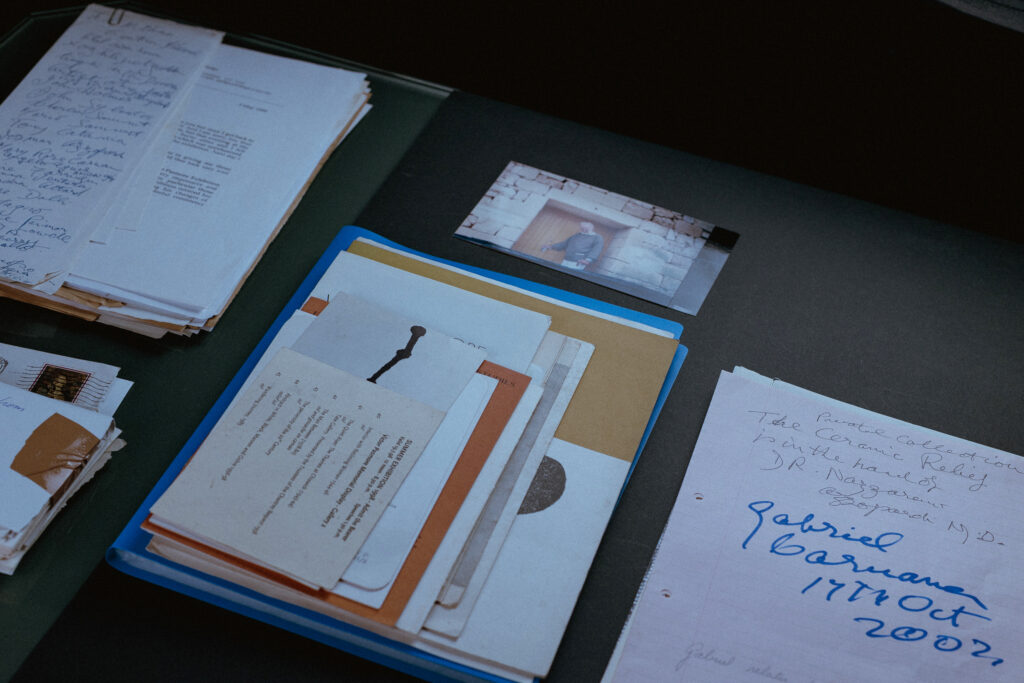
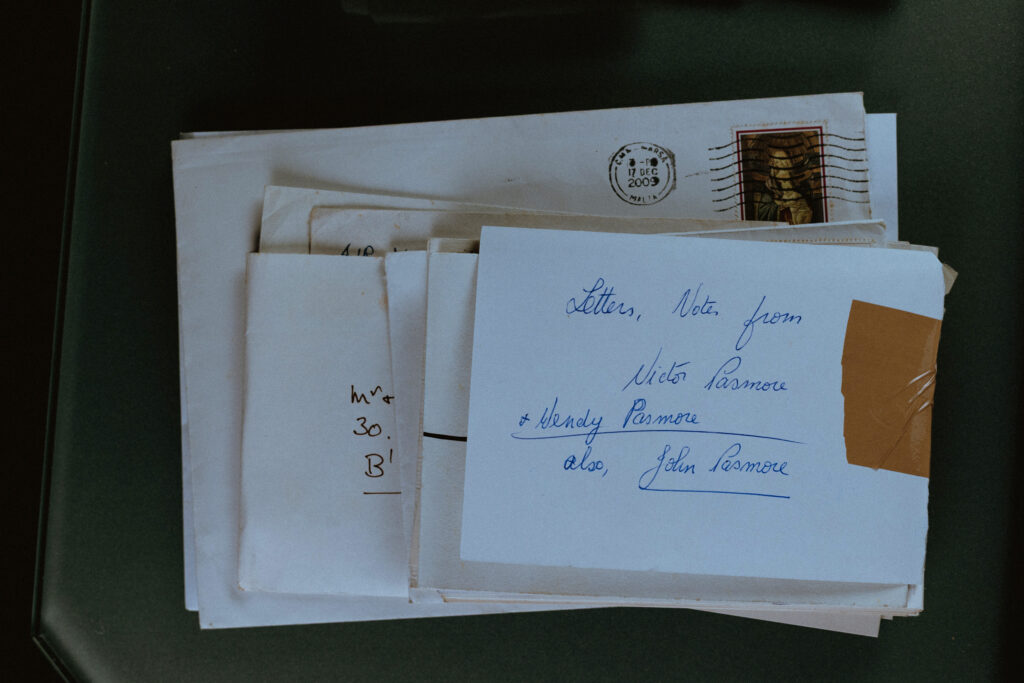
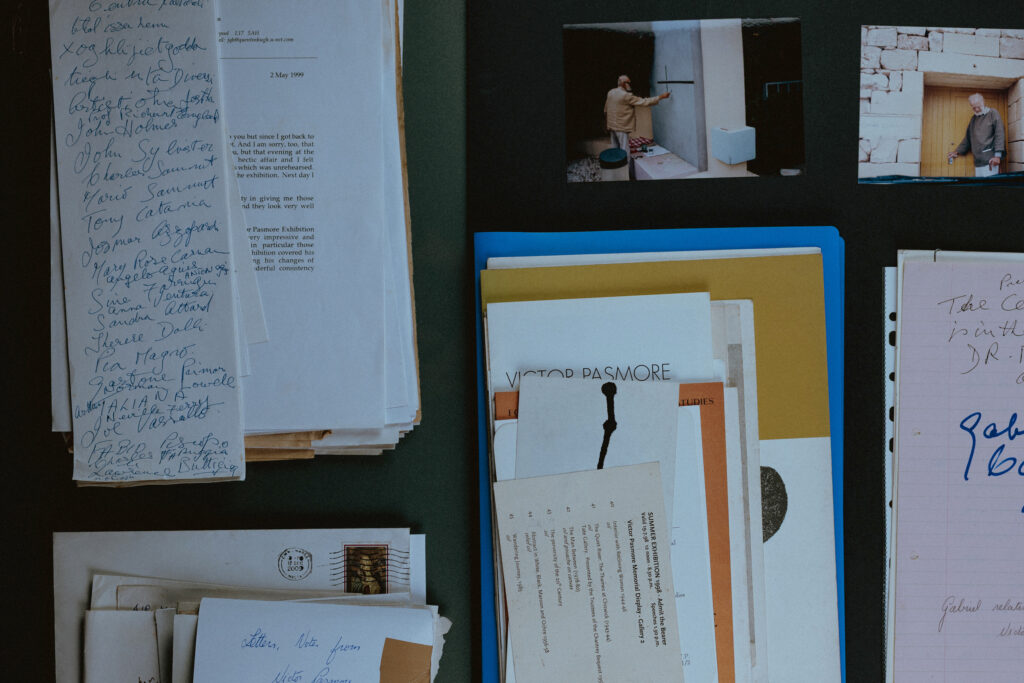
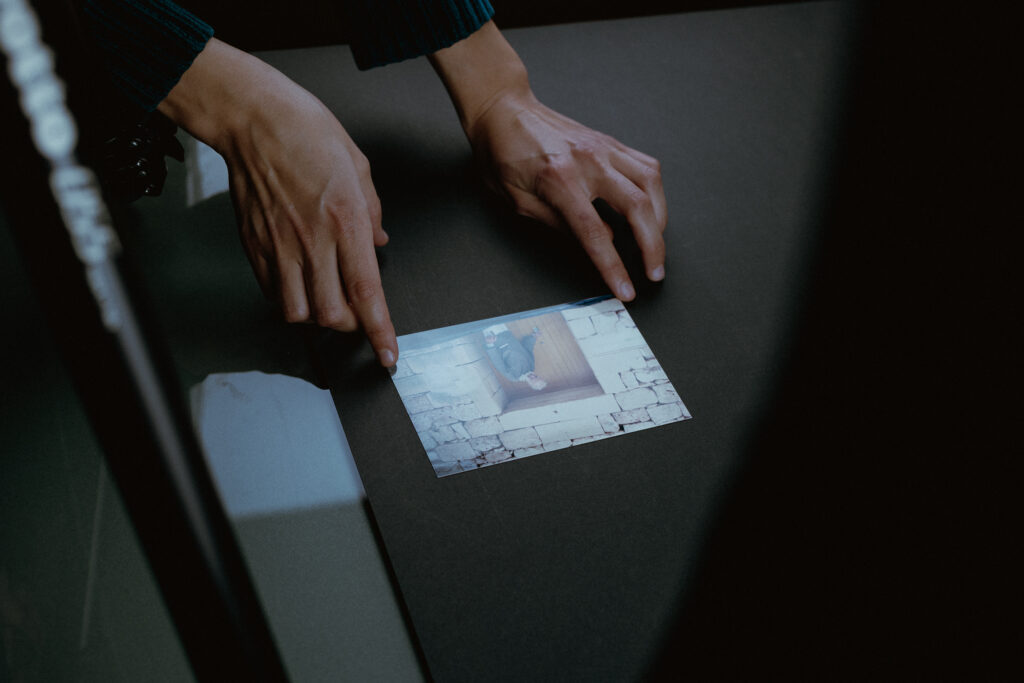
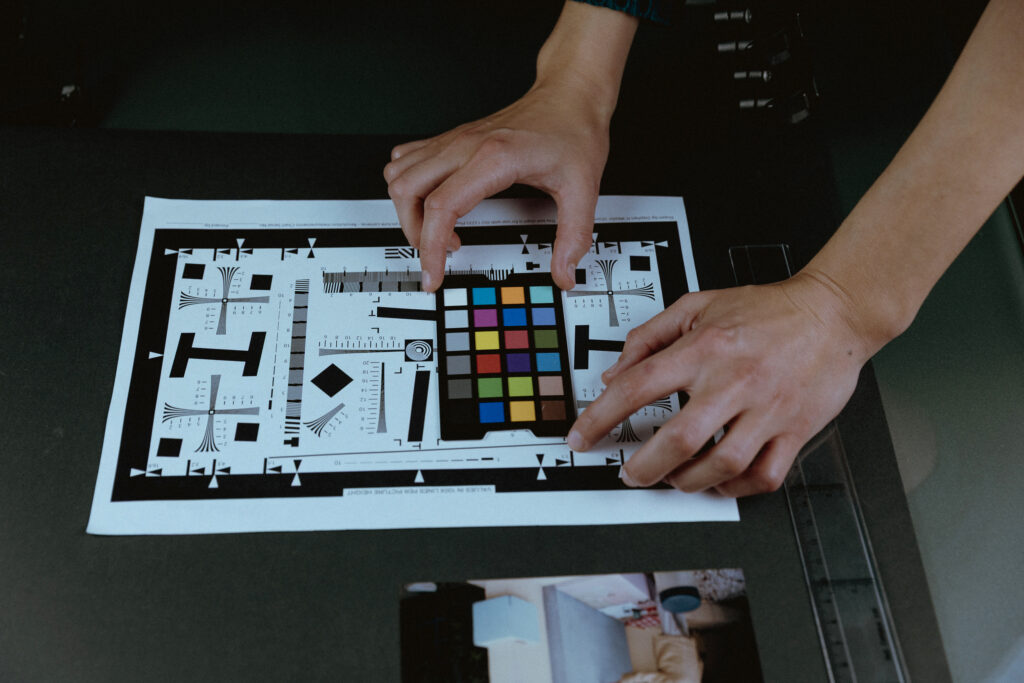
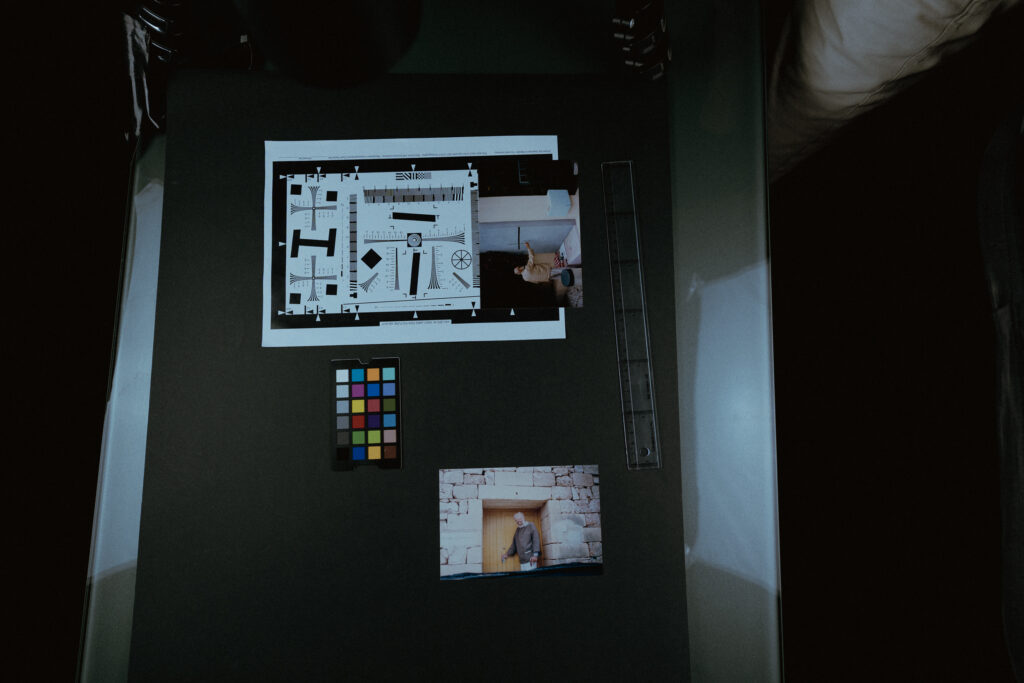
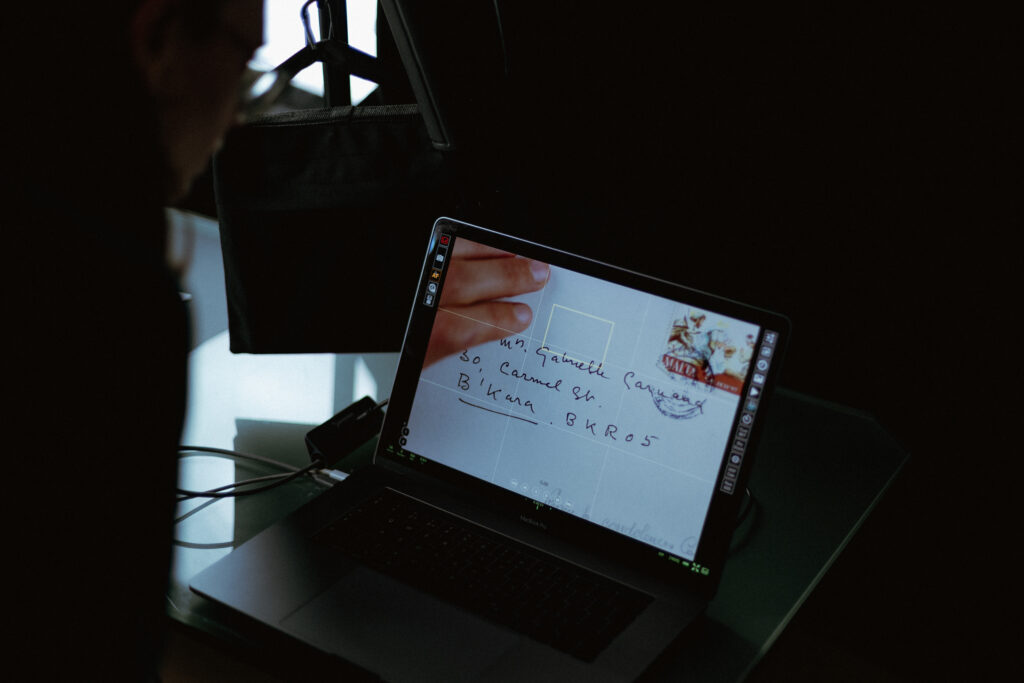
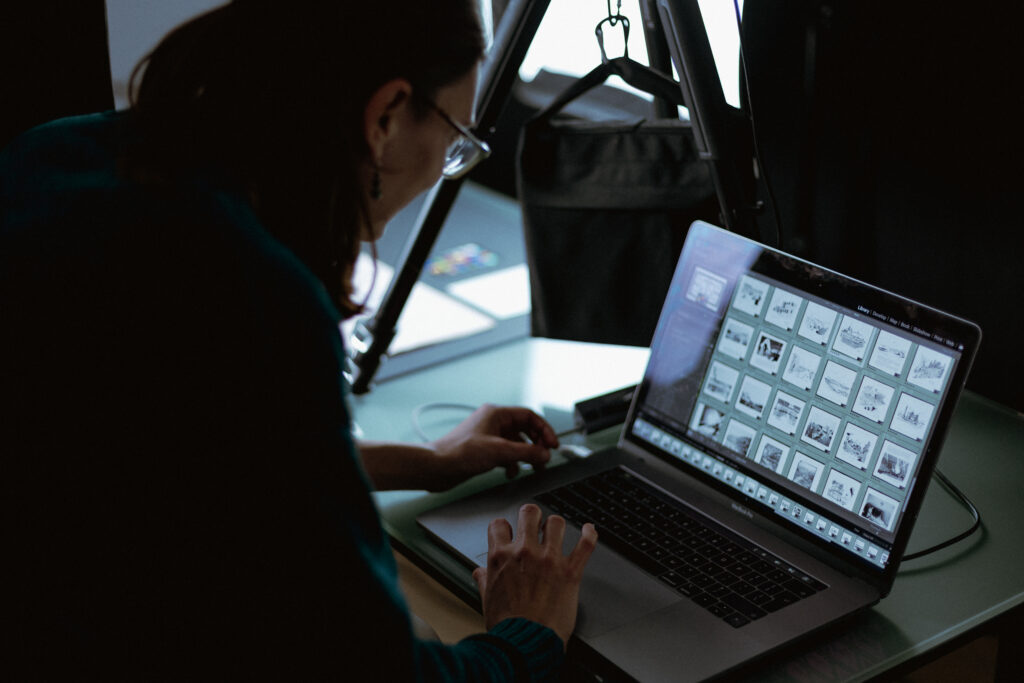
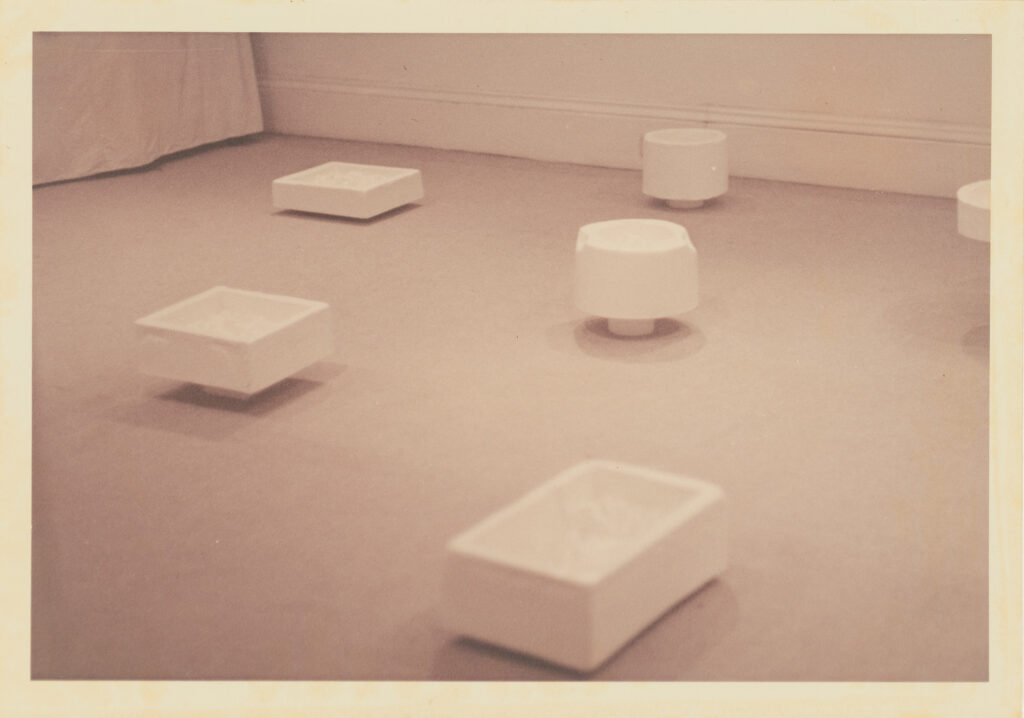
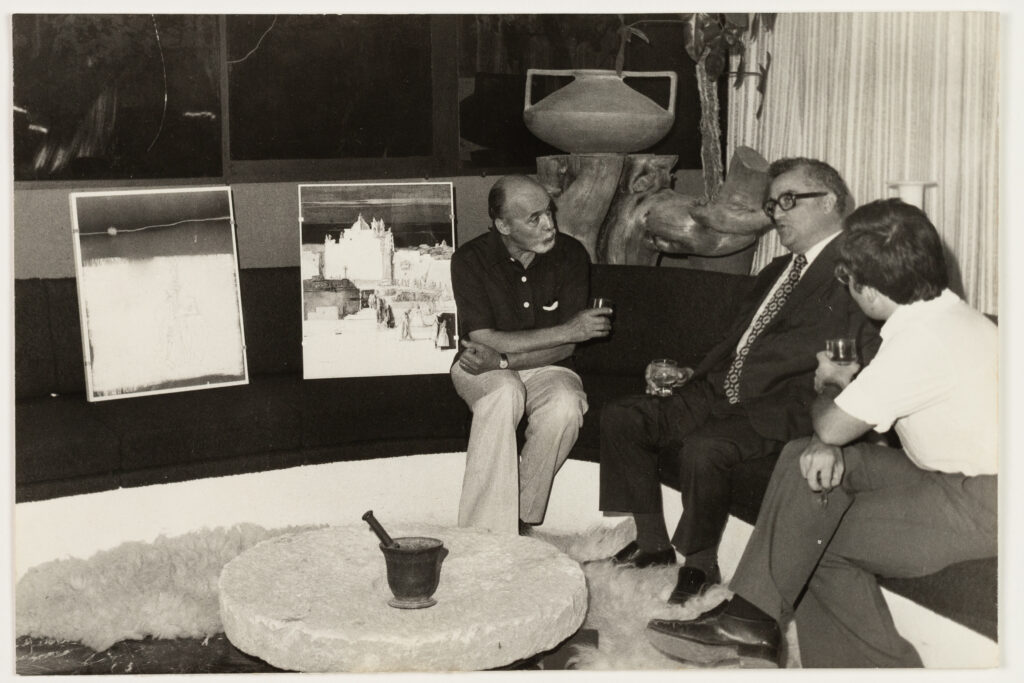
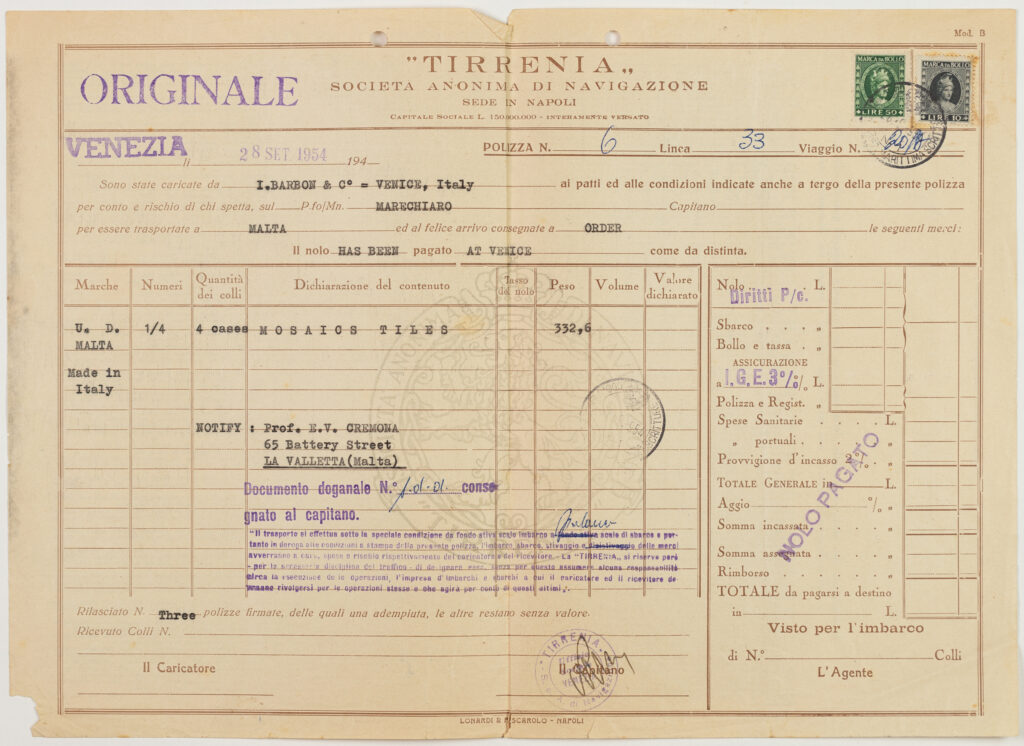
Using the in-house digitisation studio at the VP Gallery, we are building a high-quality digital record of archival materials from photographs and letters to sketches, film, catalogues, and personal papers. We aim to ensure that Malta’s artistic legacy is preserved responsibly, made accessible for research, and passed on to future generations.
Through this process, we are creating high-resolution digital copies of physical documents, artworks, and objects to help:

  • Preserve fragile materials from deterioration
  • Make archives accessible to researchers, students, and institutions
  • Reduce handling of sensitive originals
  • Create long-term digital backups

All originals remain fully intact and are returned to the family.
THE MALTESE MODERN ART ARCHIVE


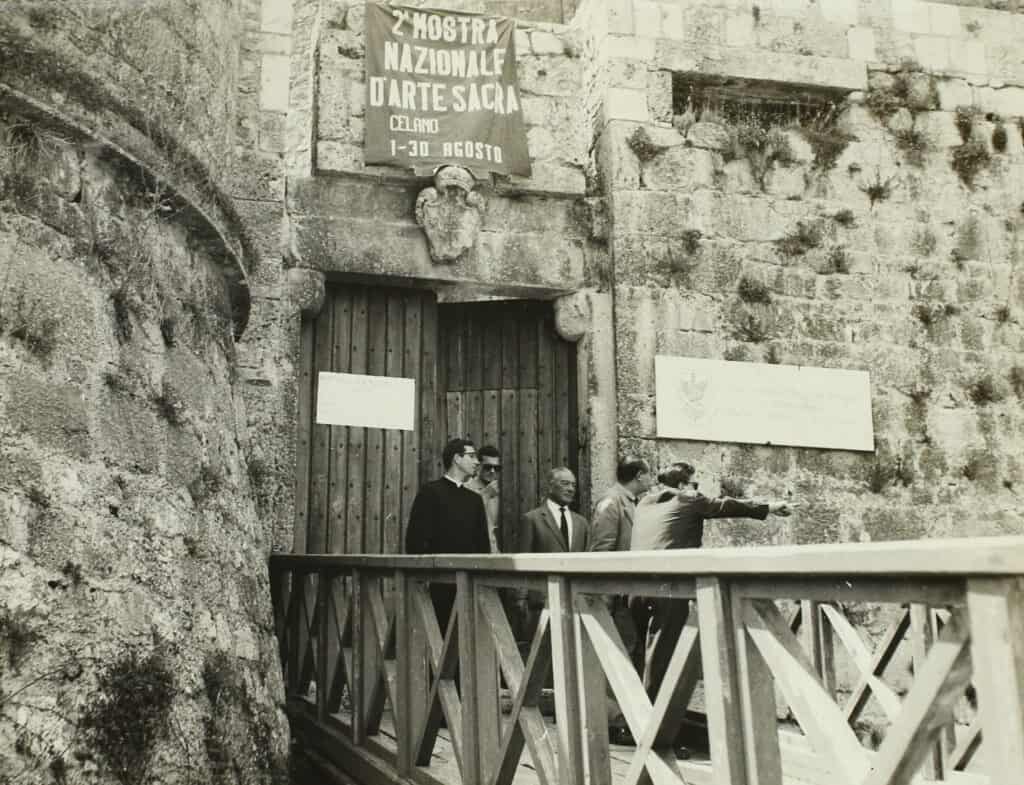
One of the principal strands of the project is the Maltese Modern Art Archive – an evolving archive focused on Maltese modern artists, their families, collections, exhibition histories, correspondence, and personal archives.

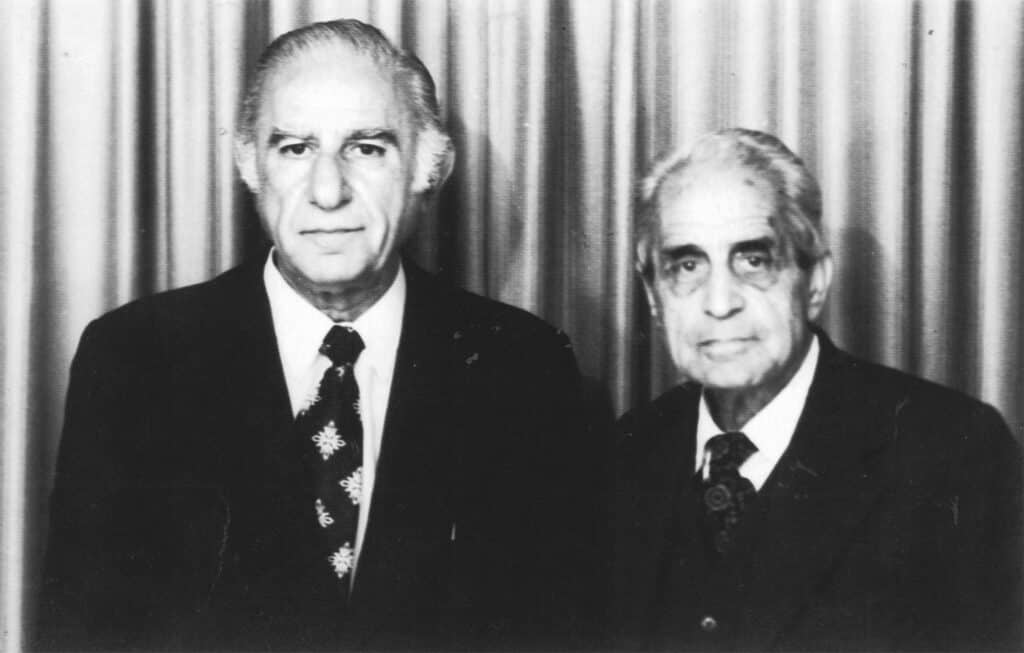
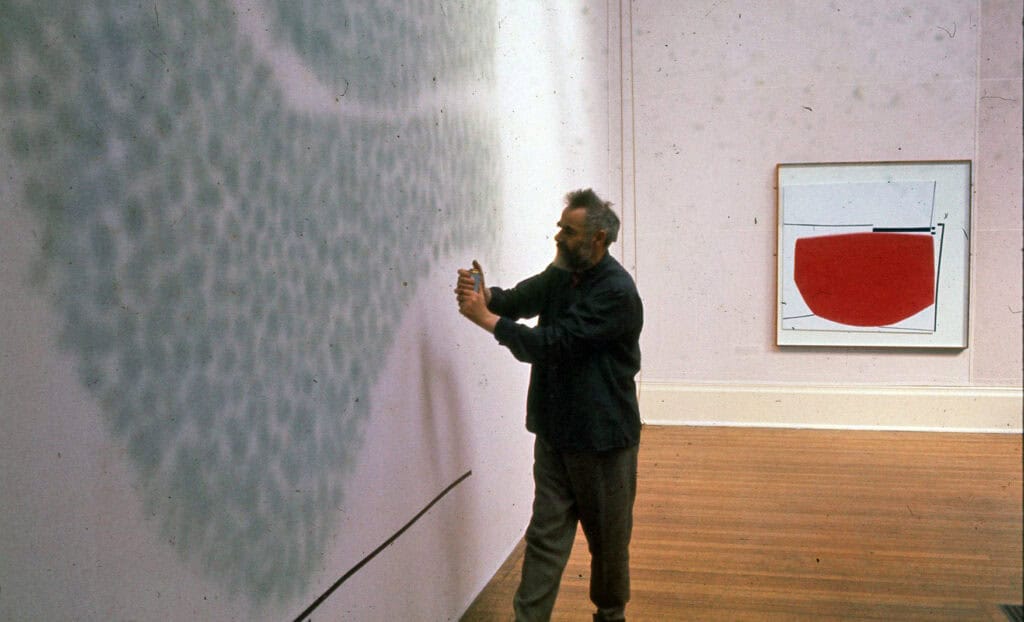
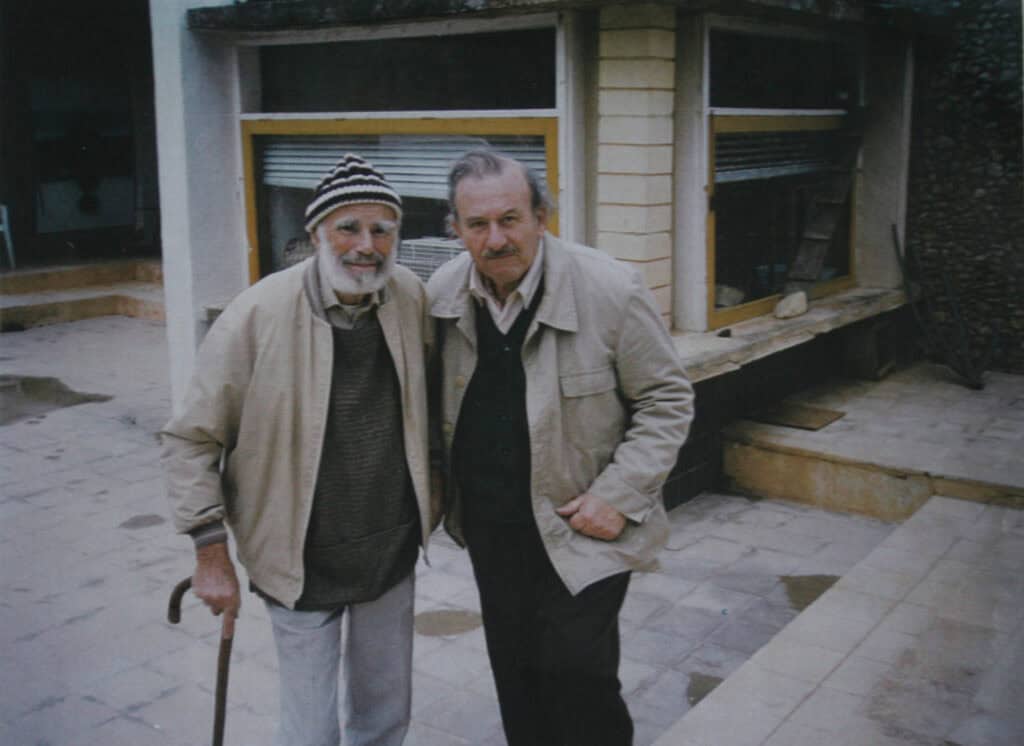
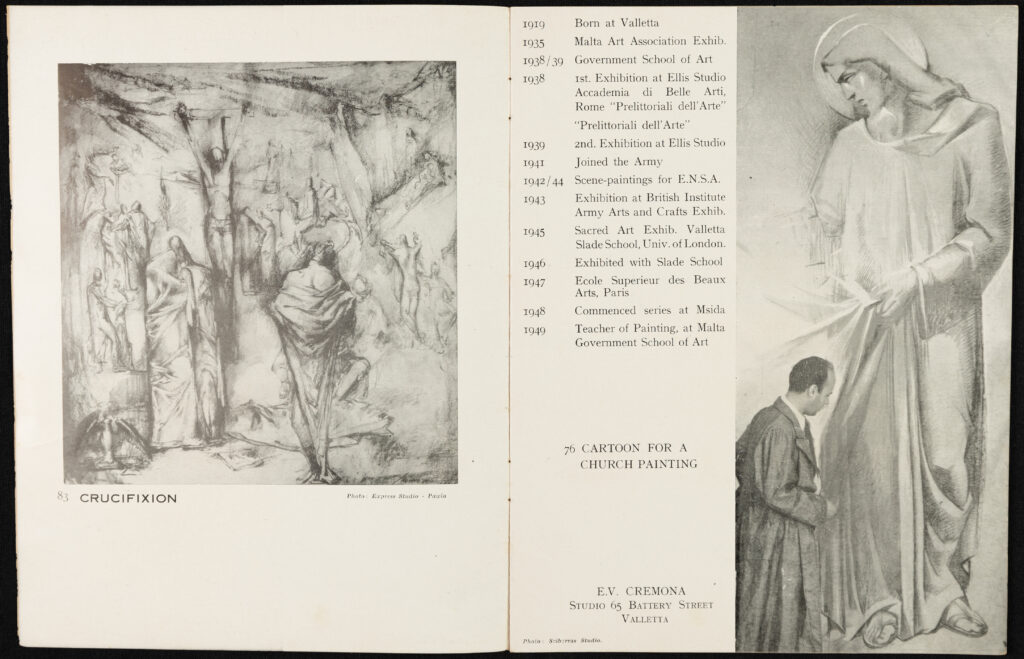
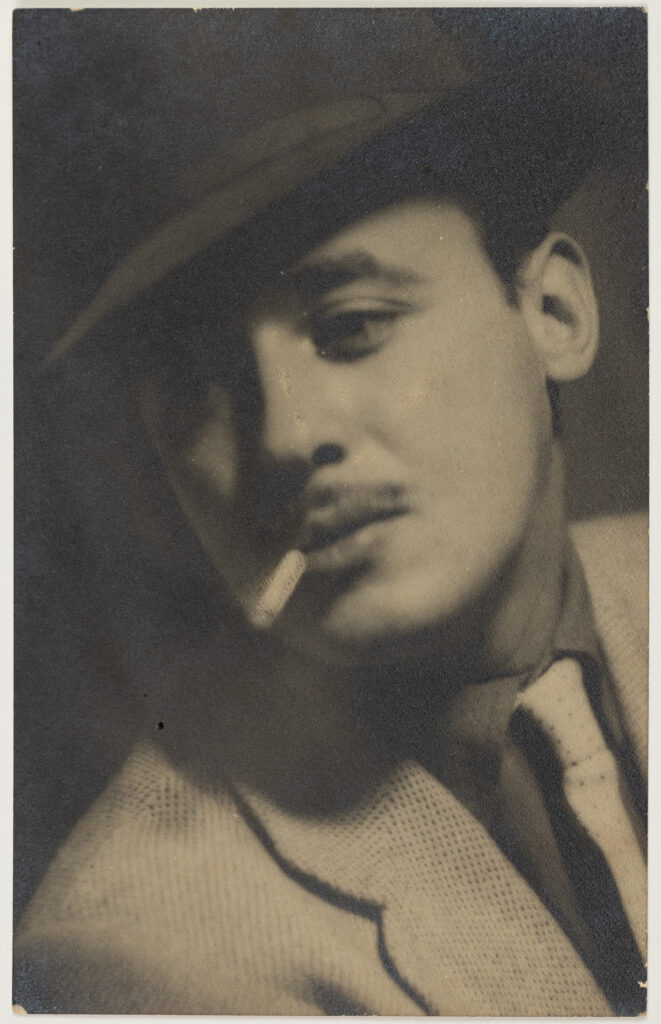
A key part of this initiative is closely connected to the VP Gallery’s annual exhibition programme dedicated to major figures within Maltese modern art; each exhibition becomes an opportunity to preserve and digitise archival material connected to the artist in focus. Following the successful digitisation of archival material relating to Emvin Cremona, work is currently underway on the archive surrounding Gabriel Caruana. Alongside this, the studio also continues documenting and digitising works and material held within the VP Gallery’s own reserve collection.

The project is carried out in collaboration with artists’ families, private collectors, researchers, and institutions, helping preserve not only artworks themselves but also the stories, relationships, exhibition histories, and wider cultural networks surrounding them.

WHAT WE DIGITISE

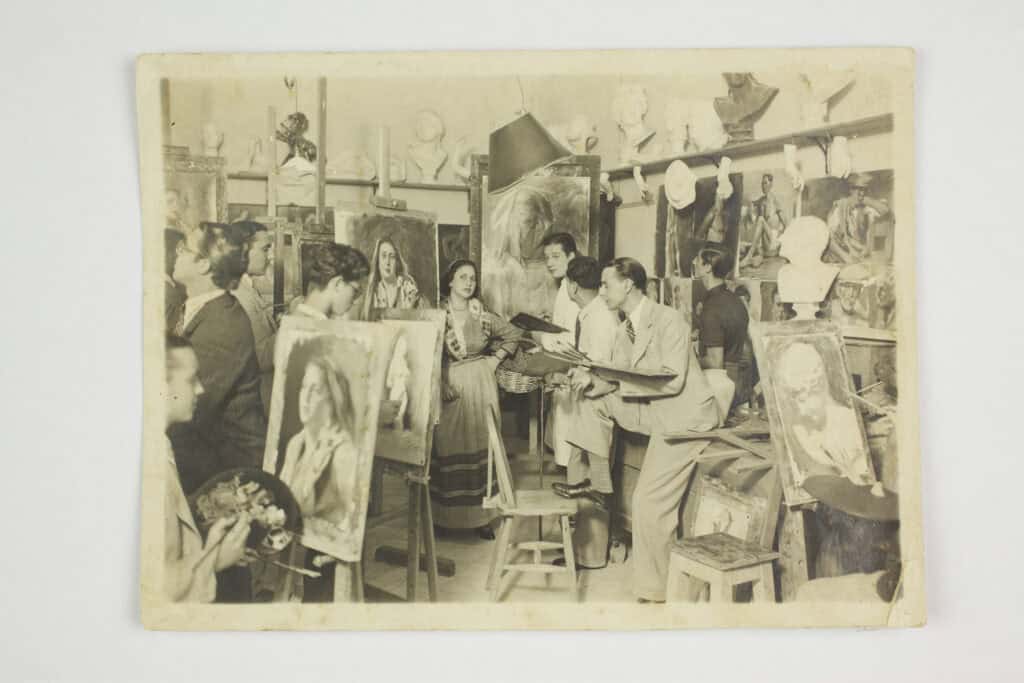
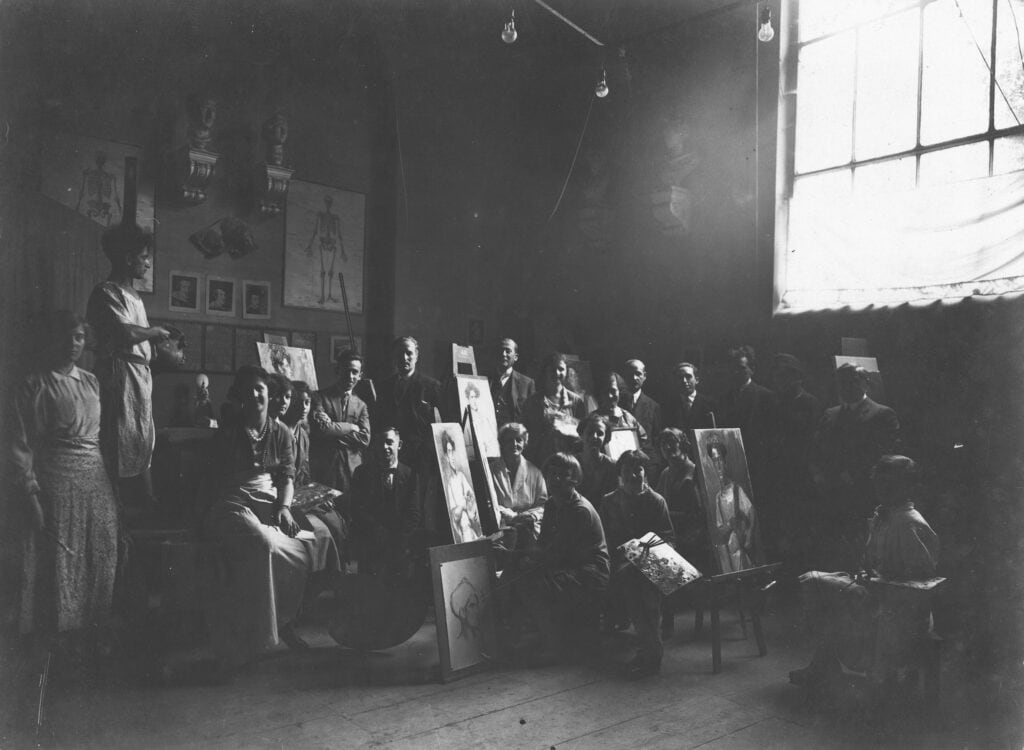
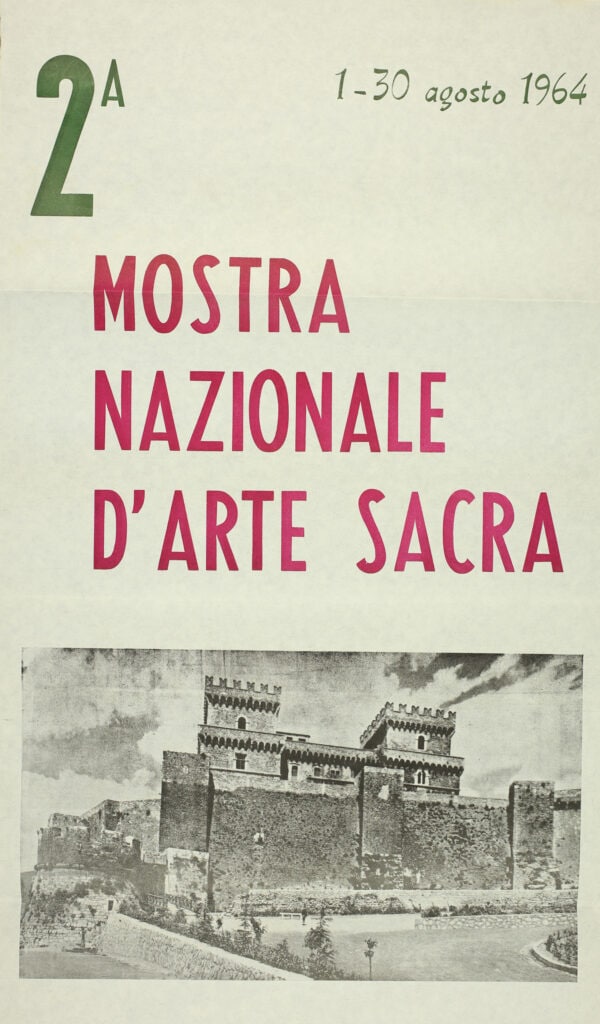
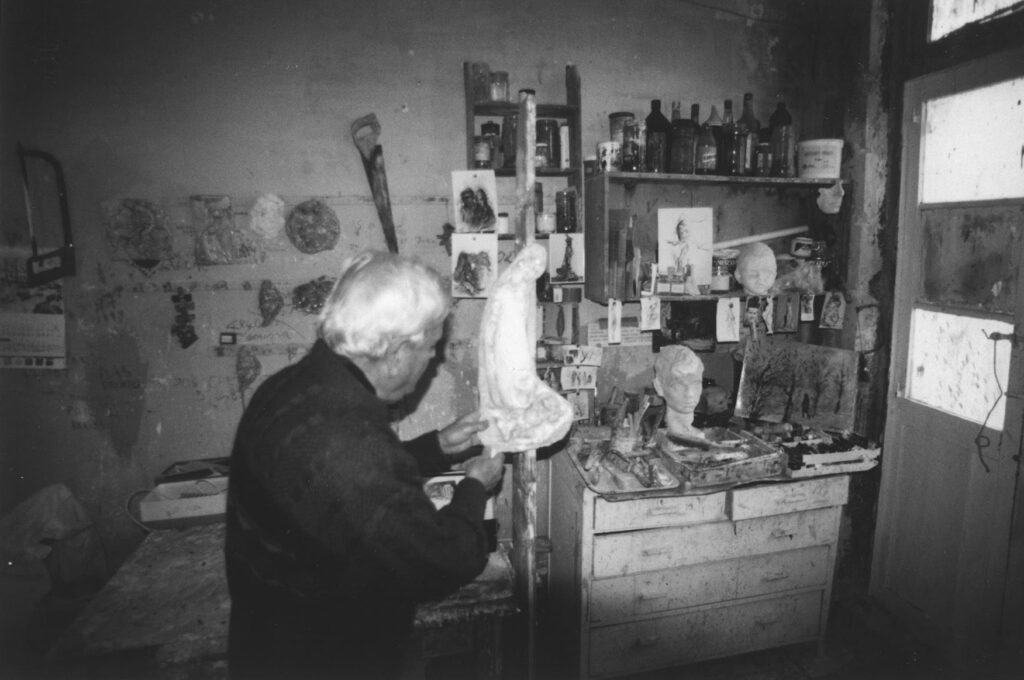
Our focus is to document the Maltese Modern Period (20th century). Materials of interest include sketchbooks, drawings, notebooks, photographs and slides, letters, manuscripts and diaries, as well as film, audio, and video. We also consider posters, invitations, catalogues, press cuttings, and documents relating to art education, teaching practices, craft, and design.

FPM may not digitise every item; selections are curated to ensure they align with our scope.

PUBLISHING & EDITORIAL ARCHIVES

The digitisation studio also supports FPM’s wider publishing initiatives, particularly through material prepared for Treasures of Malta. As part of the editorial process, photographs, archival documents, artworks, maps, and other visual material accompanying published articles are regularly sourced, collected, and digitised within our studio. This allows fragile and often privately held material to be professionally documented and reproduced for publication, while also contributing to the long-term preservation of important cultural and historical resources.

FONDAZZJONI PATRIMONJU MALTI INSTITUTIONAL ARCHIVE

A further strand of the initiative focuses on the Foundation’s own institutional archive where we are currently digitising documentation, photographs, catalogues, exhibition material, and administrative records connected to its past projects and exhibitions. The first major archive currently being processed is the landmark Maltese Prehistoric Art exhibition of 1996, allowing important material connected to one of Malta’s most significant cultural exhibitions to be preserved, researched, and revisited.

Through this work, the Foundation aims to safeguard not only objects and collections, but also the histories of exhibitions, curatorial research, institutional memory, and cultural production in Malta.

ACCESS & RESEARCH

The long-term vision of the project is to gradually establish a secure and accessible digital research resource that can support students, researchers, curators, artists, educators, and the wider public.

As archives continue to be processed and documented, material will become increasingly accessible for research and educational purposes through carefully managed digital access systems. The project ultimately seeks to contribute toward a broader culture of preservation, documentation, and research in Malta, ensuring that the country’s artistic and cultural heritage remains active, accessible, and engaged with for future generations.

Photos by Lisa Attard


CARING FOR YOUR DOCUMENTS

  • Store materials away from humidity and direct sunlight.
  • Use acid-free folders, envelopes, and tissue paper.
  • Keep documents flat and avoid folding.
  • Separate photographs from newspaper clippings.
  • Do not use adhesive tape, glue, or lamination.

We can provide guidance tailored to your collection.

THE PROCESS

  1. Initial discussion
  2. Collection visit
  3. Digitisation at the VP Gallery studio
  4. Metadata creation
  5. Return of originals 
  6. Digital delivery
  7. Archival options


FPM works closely with families, collectors, artists, and estates who wish to preserve and document archival material connected to Malta’s modern and cultural history. The digitisation process allows fragile material to be professionally photographed and preserved digitally while originals remain fully intact and in the possession of their owners.

Should you have archival material, photographs, correspondence, catalogues, or documentation relating to Malta’s modern art movement or wider cultural history, please feel free to contact the FPM team on info@patrimonju.org.

Original material copyright always remains with the rightful owner/family, FPM receives permission only to digitise and, where mutually agreed, to publish the digital copies for research or educational purposes. The owner decides what may be shared publicly, what remains private, and under what conditions. We can guide you through all the steps of consent and usage rights.