
Shapes, Signs and Symbols
Antonia Critien
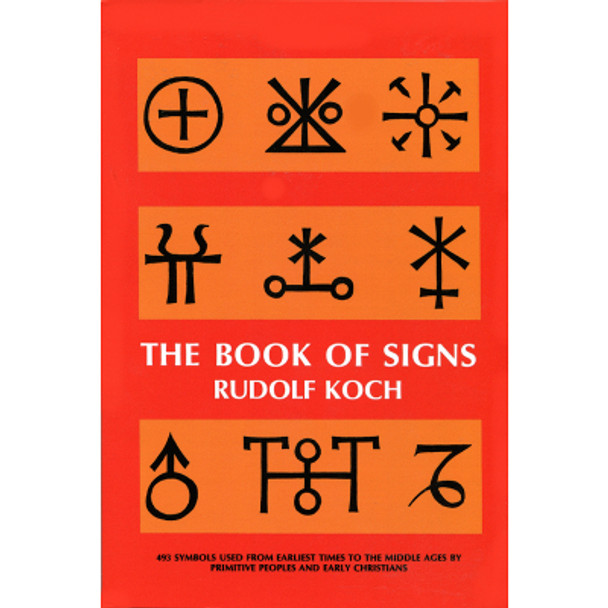
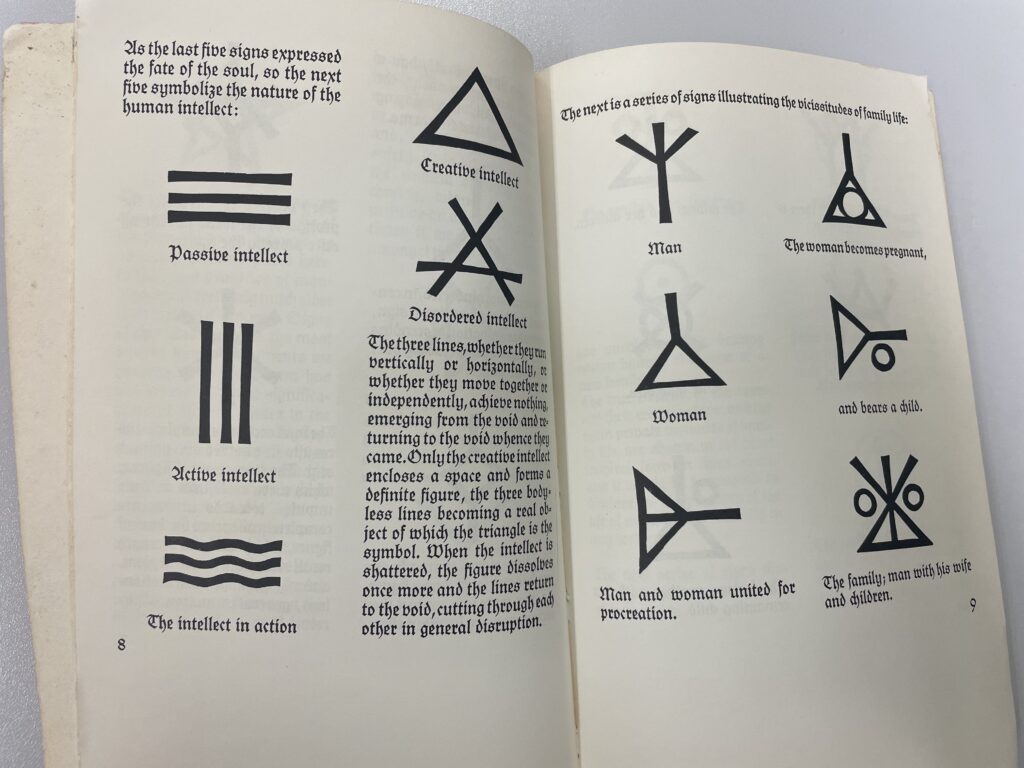
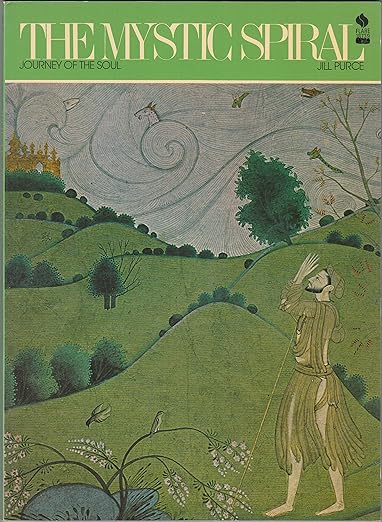
Pasmore went through great lengths to explain how he arrived at abstraction and what it meant to him, and he did this through writings, lectures and interviews from the 1950s onwards. It all started with the works of Klee and Mondrian and their use of basic geometric shapes. The use of geometric forms, which are universally recognised, both for their beauty and their implication, together with other forms of a symbolic nature, became a pool of material for the abstract artist (Pasmore; A Note on Abstraction 1949). This was encouraged by Ben Nicholson whose influence is seen in Pasmore’s abstract works in relief. Pasmore goes on to explain why he used geometric shapes – not because I wish to recreate geometrical art, but because these forms, being already abstracted from nature and universally recognised, have become concrete elements in themselves, and, as such, lend themselves to free interpretation by the painter (Art News and Review 1950). One of the universally recognised motifs Pasmore used repeatedly is the spiral, playing around with gradation in both colour and size, as seen in his Spiral Motif: The Wave series, as well as Coast of the Inland Sea and The Snowstorm. The book in his library, The Mystic Spiral: Journey of the Soul by Jill Purce (1974) explores the significance of the spiral symbol as found in Stone Age art, Chinese Yin Yang, Islamic architecture, Celtic designs and so forth. Pasmore must have referred to this often, as his own copy is well worn and held together by a ribbon. Fast forward 15 years or so since his venture into the abstract, Pasmore wrote to Ben Nicholson from his new home in Malta in 1968, telling him that he was ready to take on something new. Having dropped the geometry in his works, yet still concerned with structure and form, Pasmore began to create large square paintings with a singular shape that is irregular and organic. In his letter, Pasmore also described the strong sense of ancient history and mythology he felt constantly whilst living in Malta. The Book of Signs by Rudolf Koch (1955) is a collection of primitive and medieval symbols, illustrated and explained in depth by typographer Rudolf Koch. It is divided into categories among which are, Christian signs, Stone Mason signs, astronomy and astrology. No doubt this would have made interesting reading for Pasmore who was slowly developing his own abstract signs, creating a new abstract language. In art the peripheral images of thought and perception reappear as anonymous objects before which is always a question. While reason sleeps, the symbol awakes. (Pasmore The Image in Search of Itself exhibition catalogue 1969-71).
In 2018, Victor Pasmore’s children, John Henry Pasmore and Mary Ellen Nice, donated over 500 books and exhibition catalogues to the University of Malta, Archives and Rare Books Department
The Victor Pasmore Gallery is open to visitors at APS House, 274 St Paul Street, Valletta.