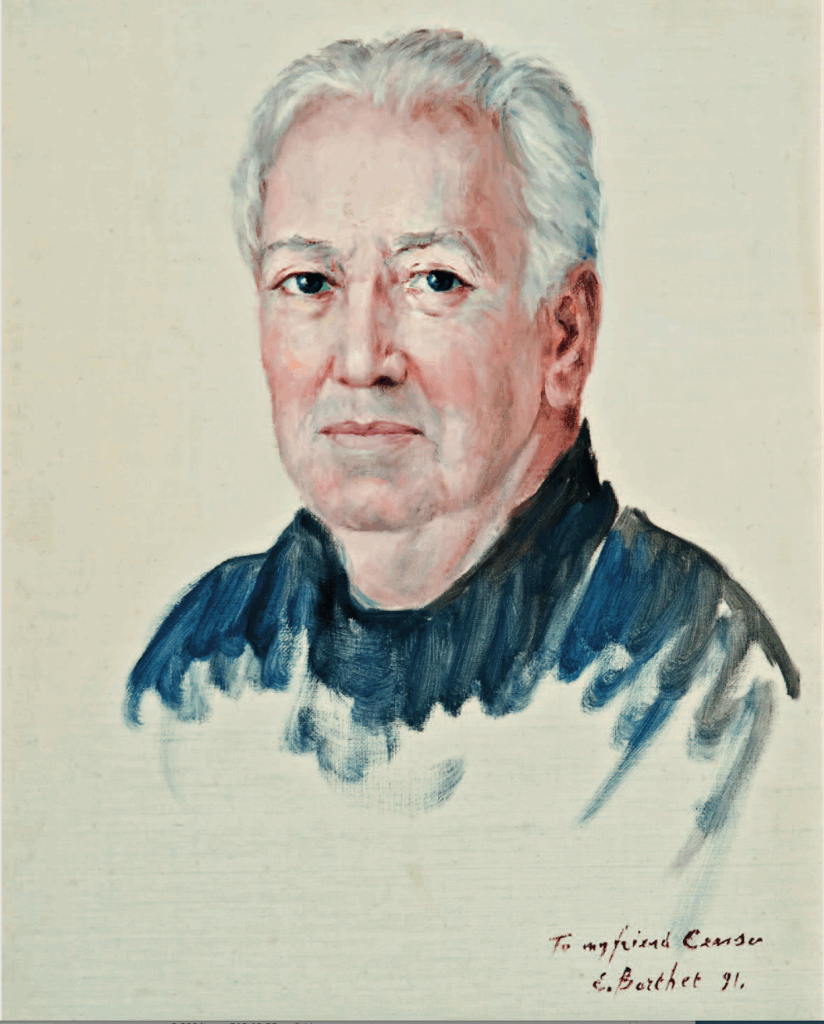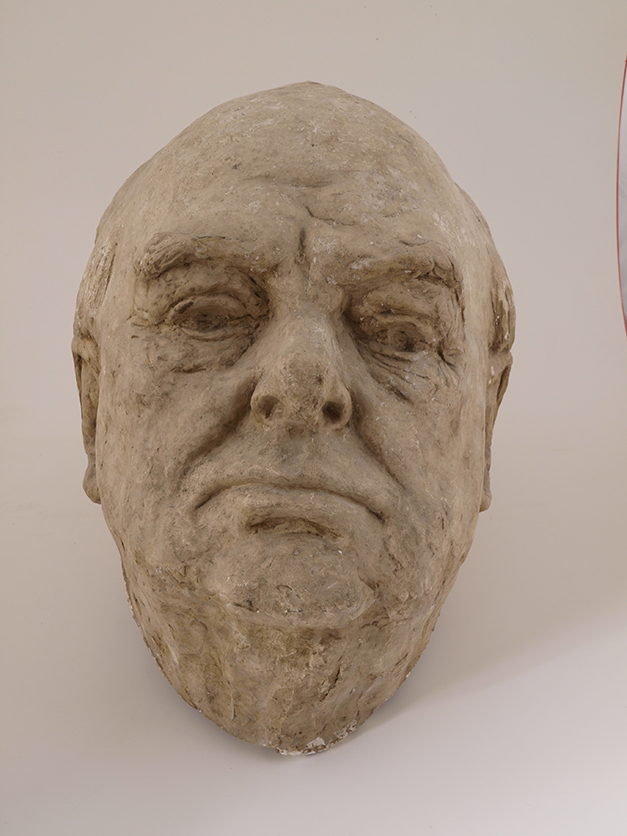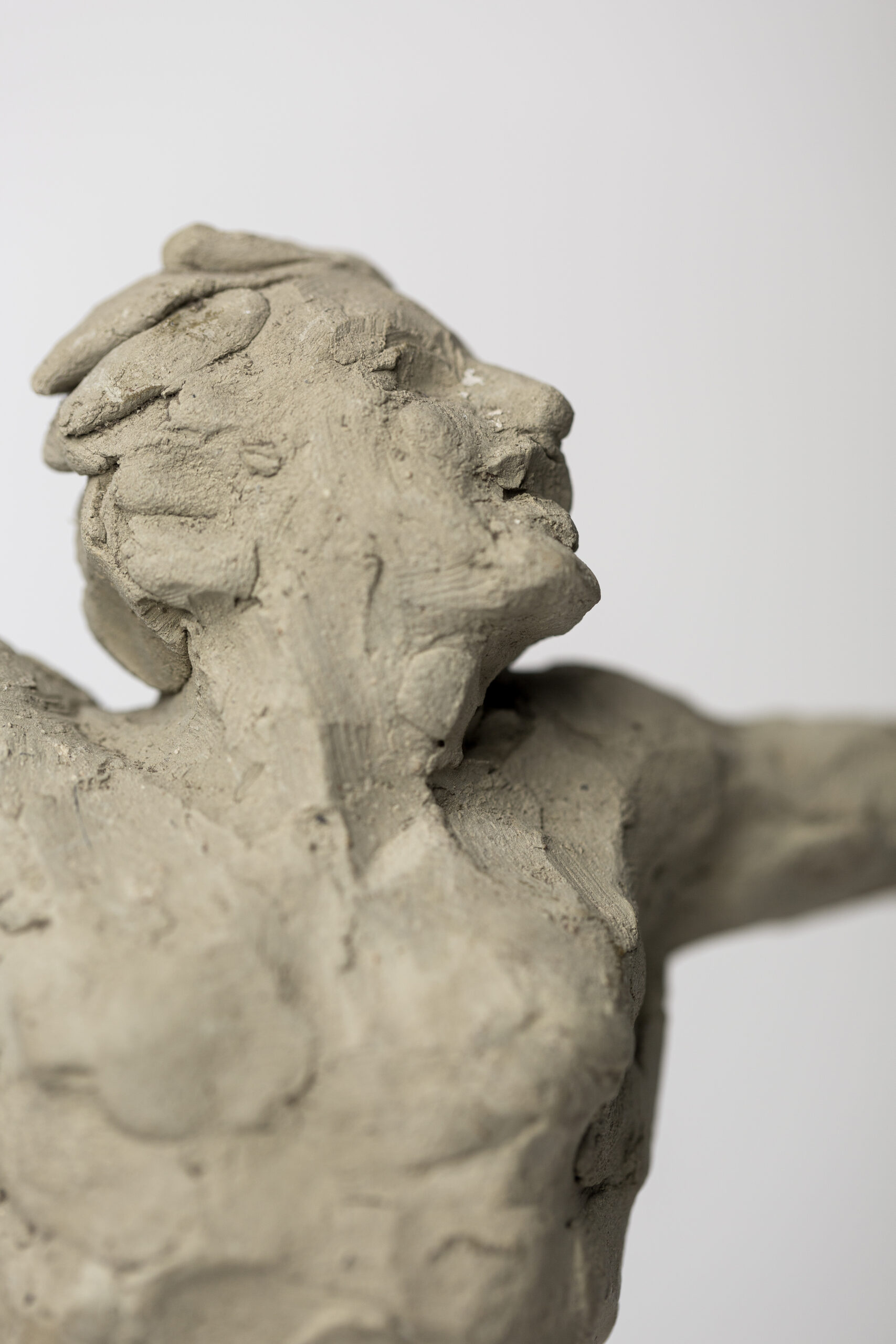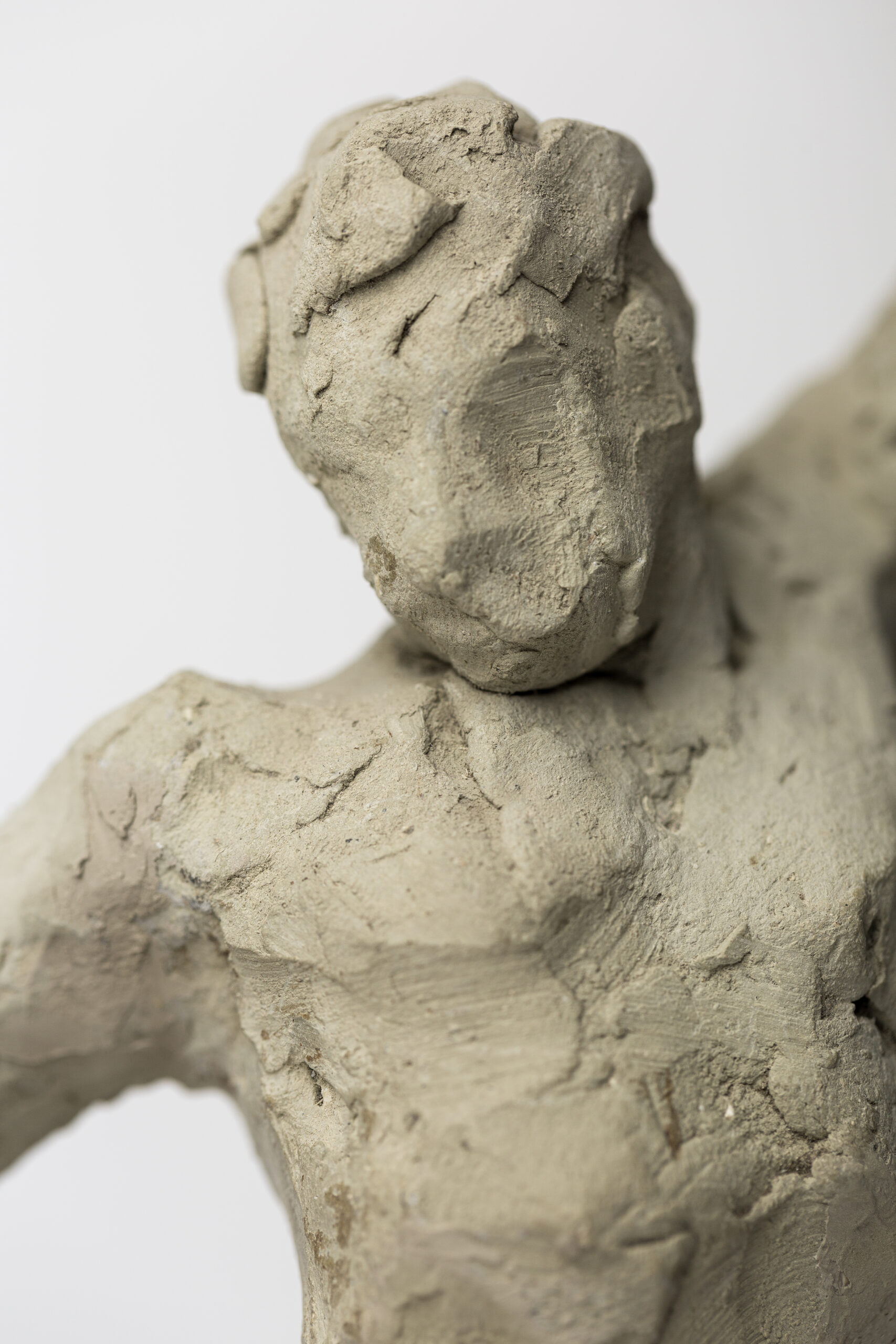
Vincent Apap is one of the foremost and most formative sculptors of Maltese modern art, best known for his austere yet graceful public monuments around the island. His numerous religious statues can be found in various churches, and his repertoire of bronze busts also includes commissions by notable personages for which he was highly praised. Despite his severe academic education, and consequently strict teaching methods in the classical style, Apap’s works have a certain freedom of expression unlike that of his peers.
Vincent Apap was born on the 13 November 1909 to John Apap and Marianne nee Grimes together with a twin sister who sadly died in infancy. He had two younger brothers, Joseph, a musician and William aka Willie, the renowned painter. His father John, a student of Giuseppe Cali, made nativity crib figures (pasturi), and at just five years old, Vincent began to imitate him by making these small figures in clay. In 1920 Apap attended evening classes in modelling and drawing and in 1925 he was one of the first students to enrol in the newly established Government School of Art, studying under Antonio Micallef (1883–1957). Micallef was the primary teacher of sculpture at this time who not only provided essential initial training for early modern Maltese sculptors but was also instrumental in preparing them for local competitions and international scholarships. In 1927 Apap won the sculpture scholarship for a three-year course at the Regia Accademia di Belle Arti in Rome. Feeling lost and confused in this large metropolis, Apap also found that he was unhappy at the school, unable to develop his art in an environment he felt did not suit him. At the time, Antonio Sciortino (1879-1947) was the director of the British Academy in Rome. Apap introduced himself and accepted to continue his studies there, against payment. In 1928 he won the prestigious Calderon Prize that was organised by the school yearly, and soon after he returned to Malta. Back home Apap was fully occupied with his art, taking part in exhibitions and competitions, and was a founder member of the Societa di Belle Arti set up in 1933 by artist Josef Kalleya (1898-1998). In 1934 Apap was appointed assistant modelling teacher at the Malta School of Art and became Head of school in 1947. The School of Art did not close throughout the war and Apap continued to instil a strong sense of purpose and discipline in his students. He retired in 1971 but was called back again in 1978 to continue teaching.
Malta: Public works and Commissions
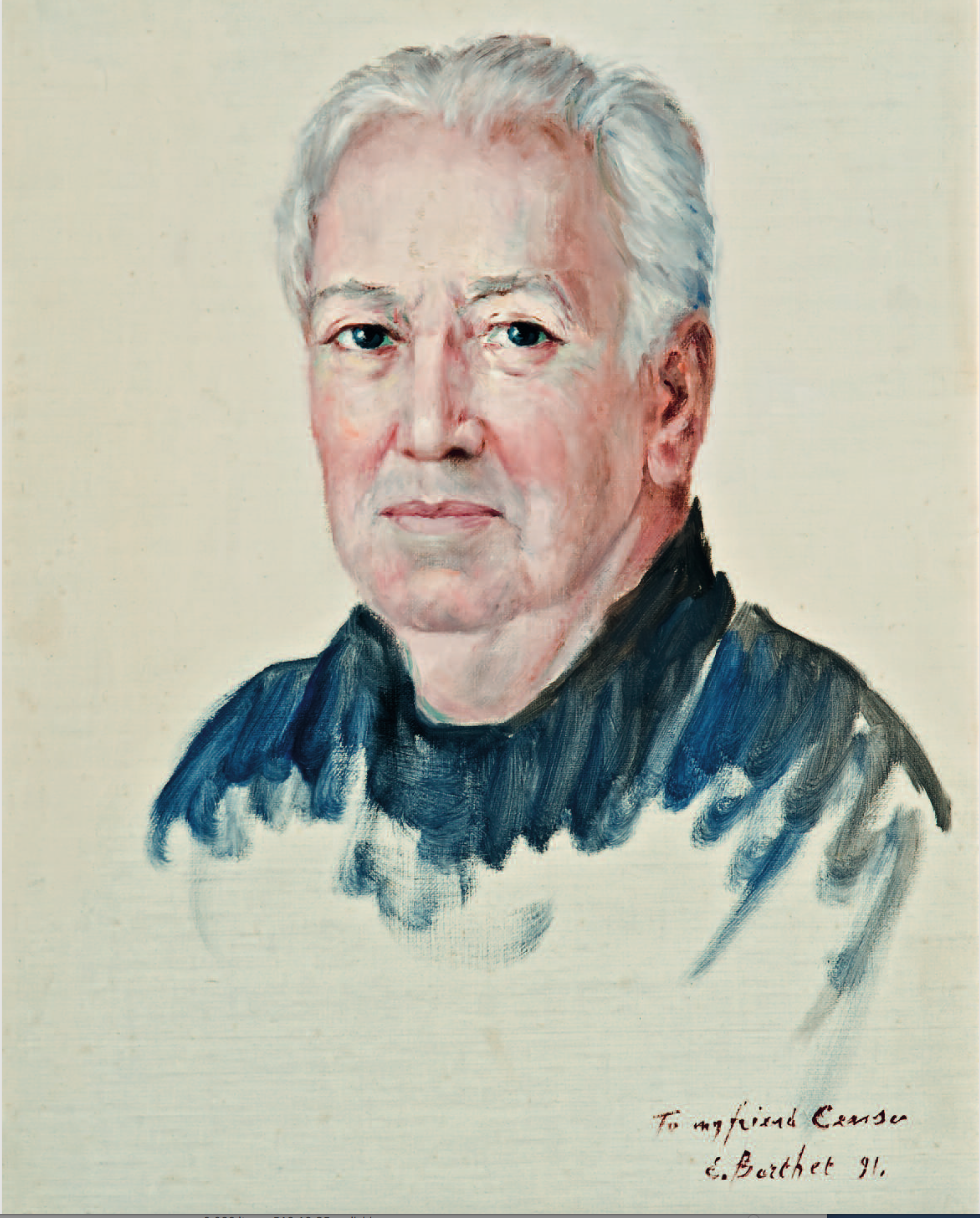
In 1930 Apap returned to Malta from Rome and began work on his first public monument, dedicated to Fra Diegu (Diego Bonanno), in Ħamrun. This is one of the few sculptures where Apap gives attention to the figure’s drapery, seen here in the folds of his tunic. This detail disappears in his later works as more attention is given to posture and expression. Dante (1967), Sir Paul Boffa (1976), Dr George Borg Olivier (1990) are fine examples of this. Renowned for his quick modelling and fast paced executions, Apap liked to work best with sitters as opposed to working from a photograph. Better still if the sitter was known to him, which allowed him to really capture the spirit of the person. Portrait busts of friends, family and commissioned works are found in private collections both in Malta and overseas. Mainly cast in bronze there are some exceptions such as the plaster busts of Malta School of Art teachers Antonio Micallef and Edward Caruana Dingli (1935) and a Self Portrait (1939).
Apap’s religious works are abundant and adorn many churches in Malta. Among the more notable works are those at Jesus of Nazareth (Sliema) which has no less than twenty-eight statues by Apap; the statues of St Joseph and Mary as well as the archangels in the Rotunda (Mosta), and the youthful Madonna on the facade of Mater Admirabilis Training College (Rabat).
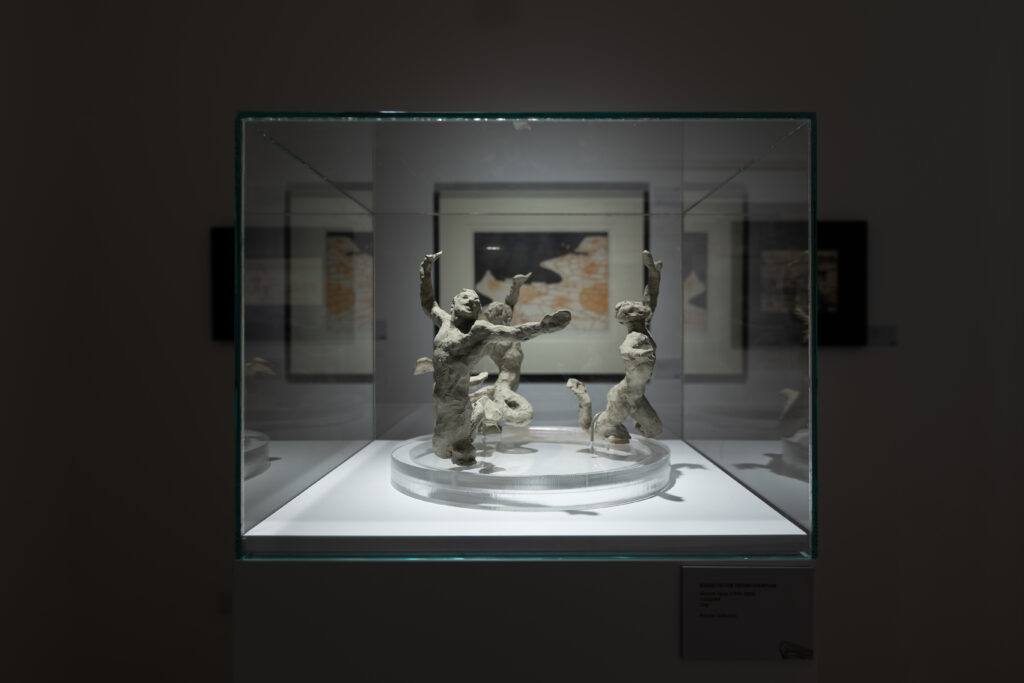
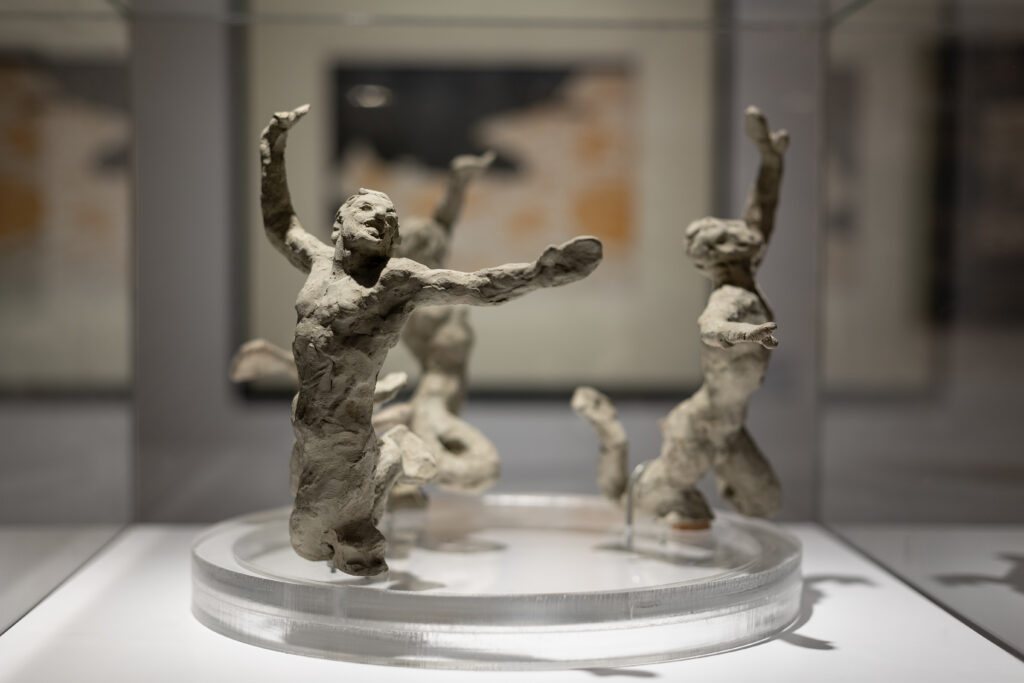
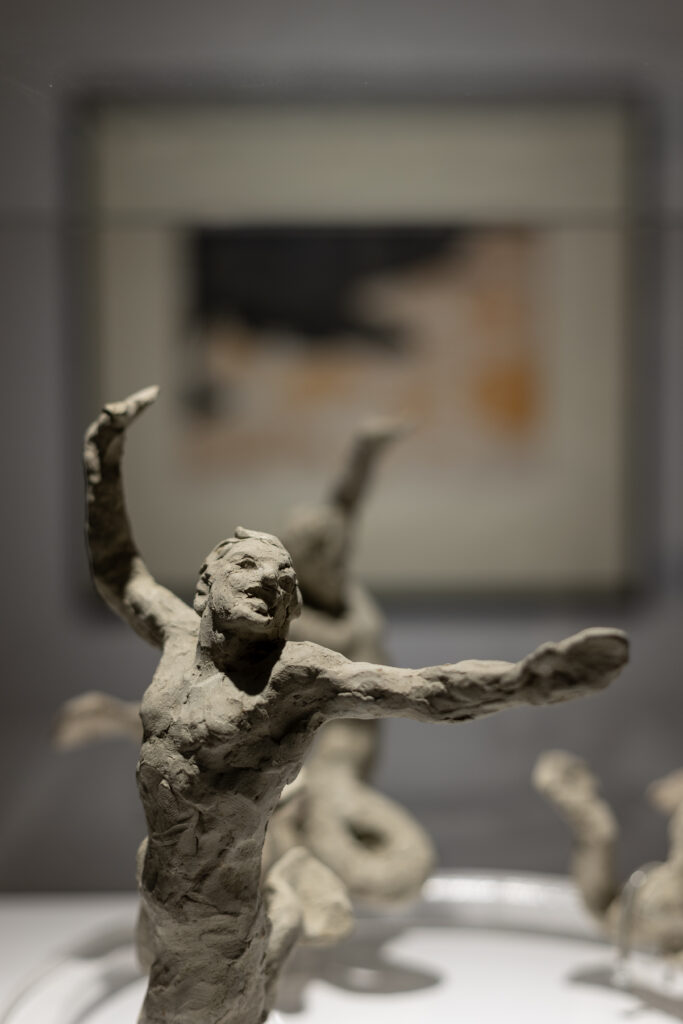
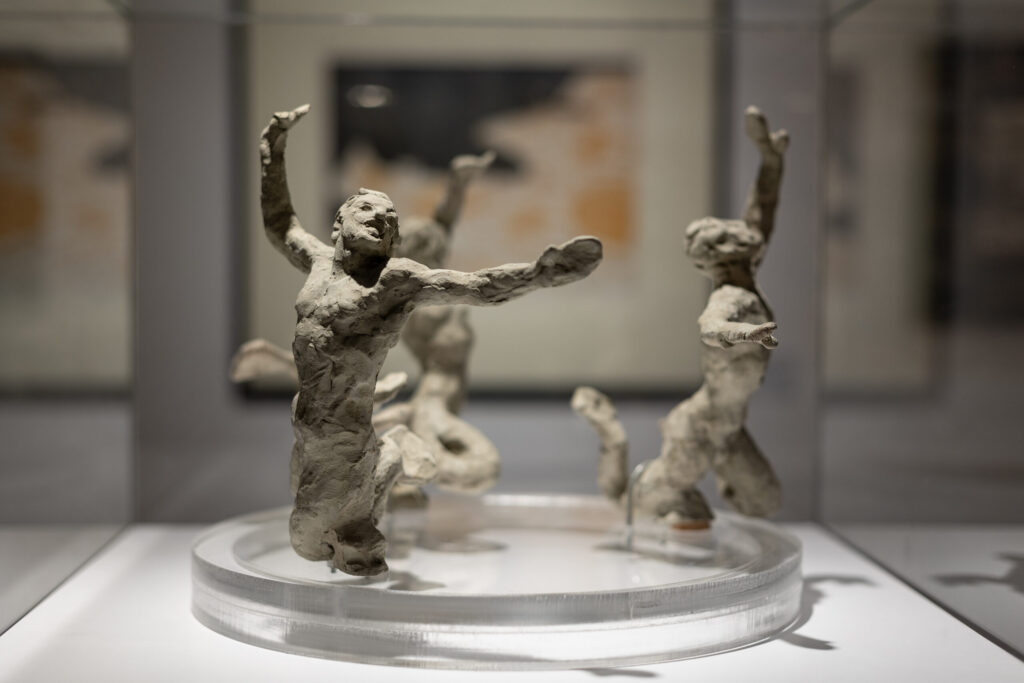
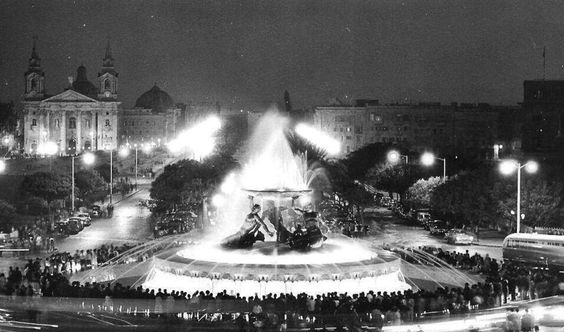
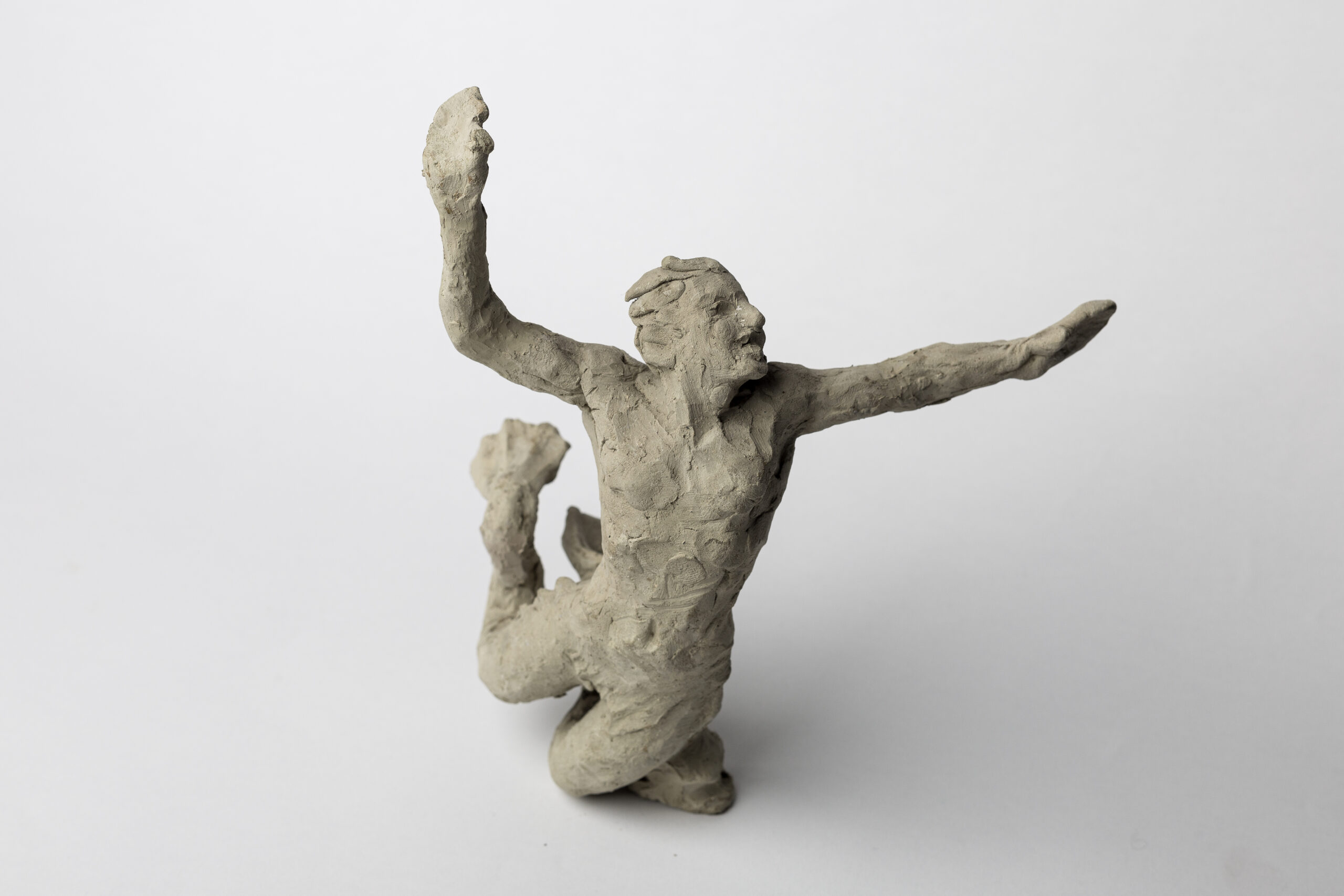
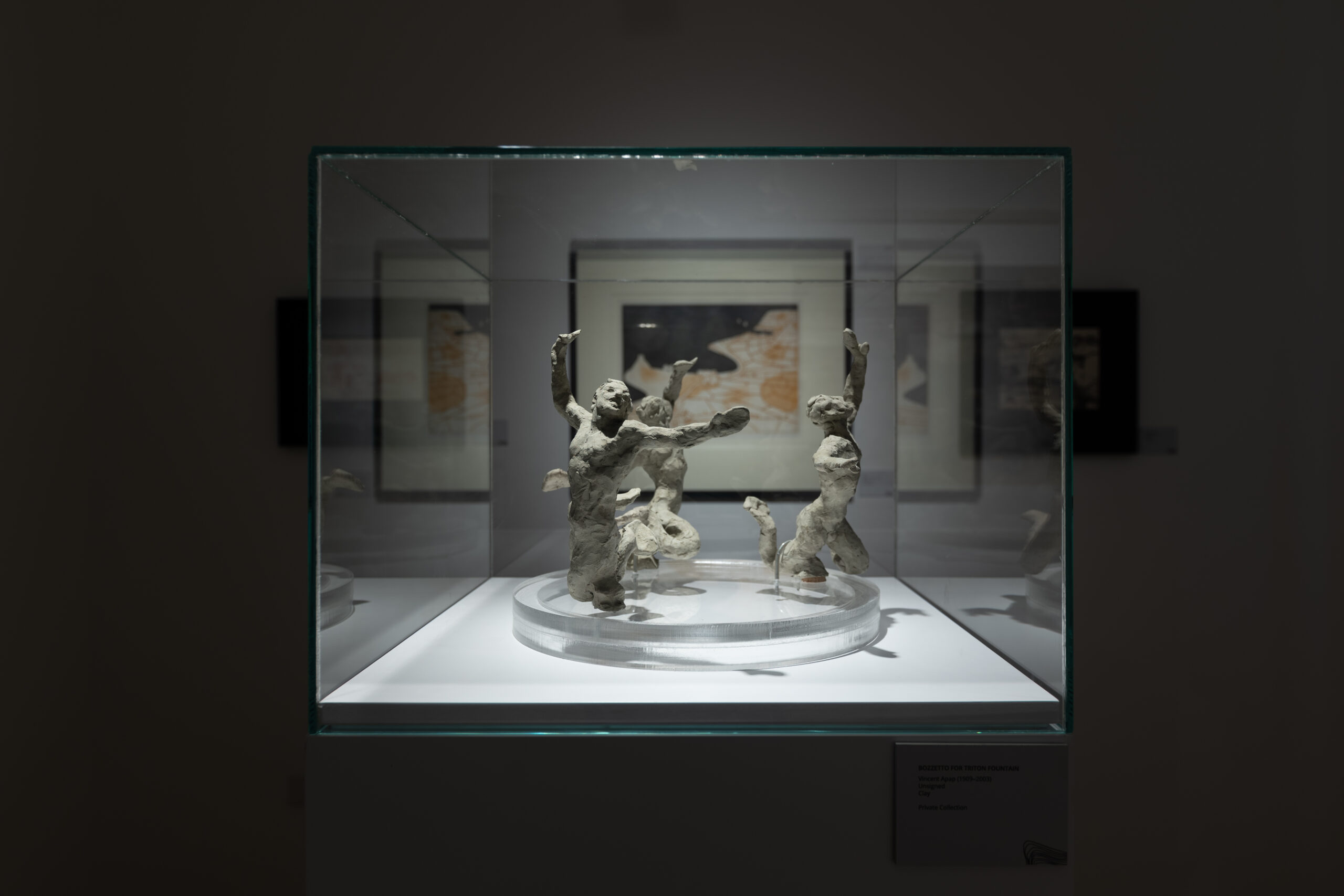
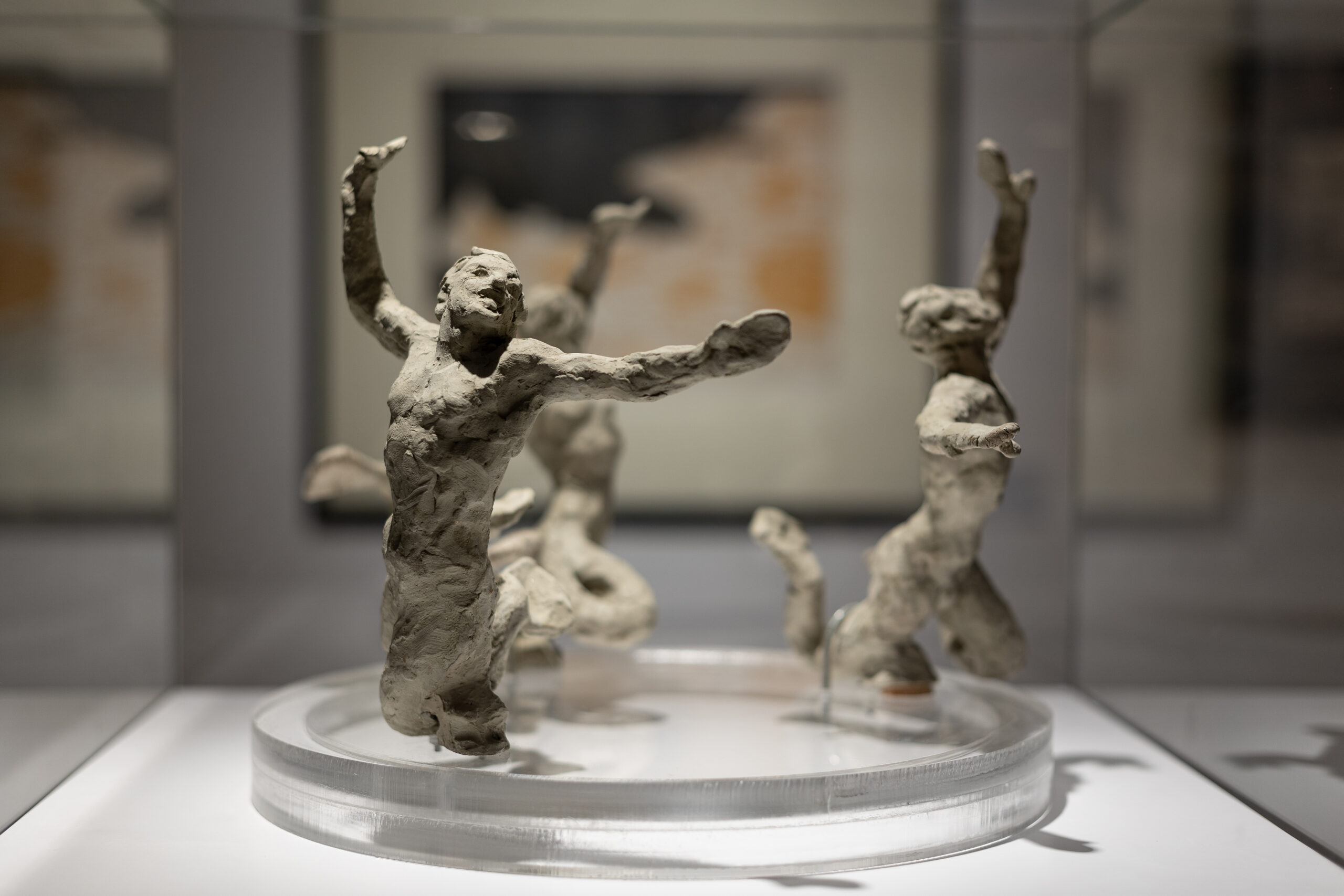
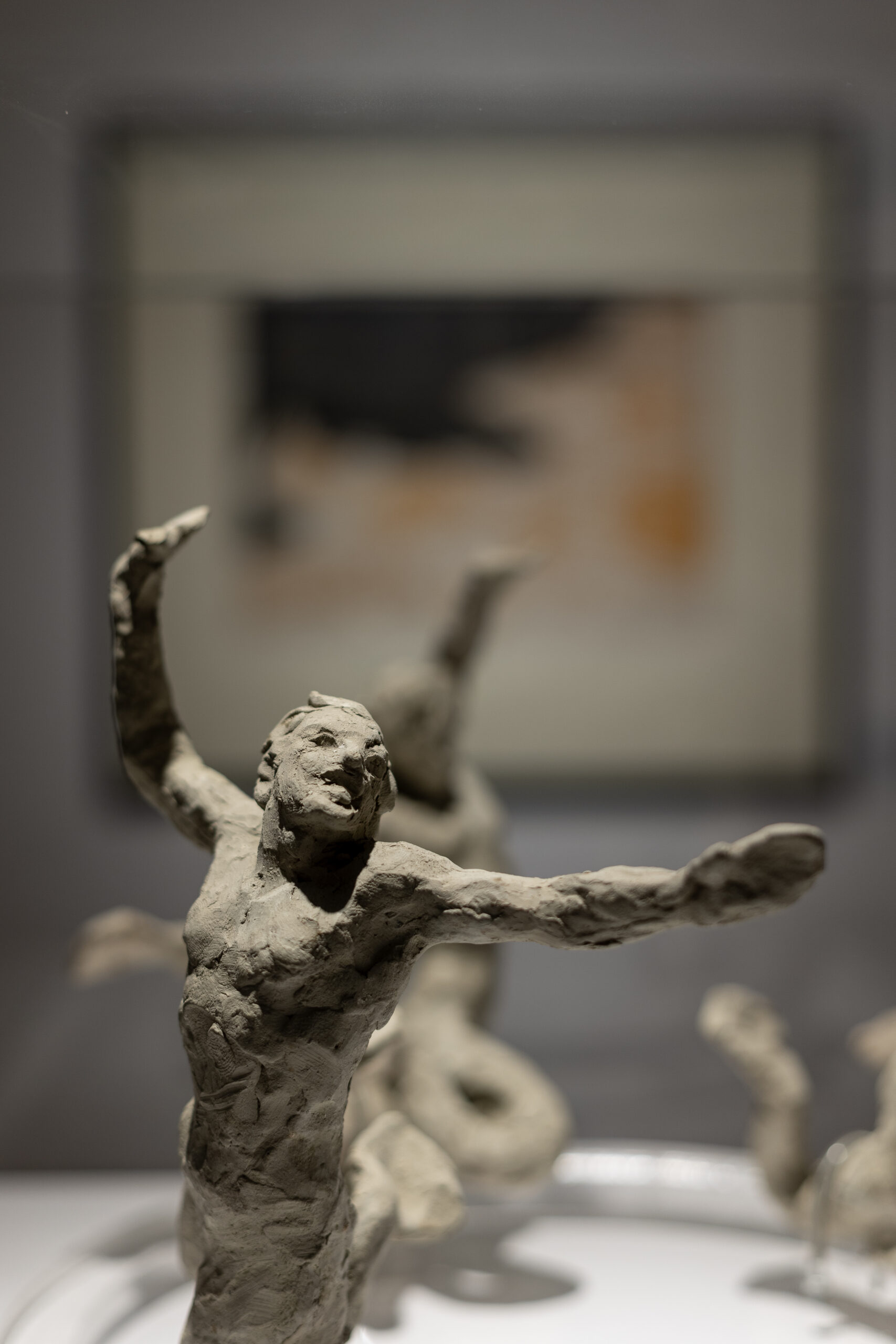
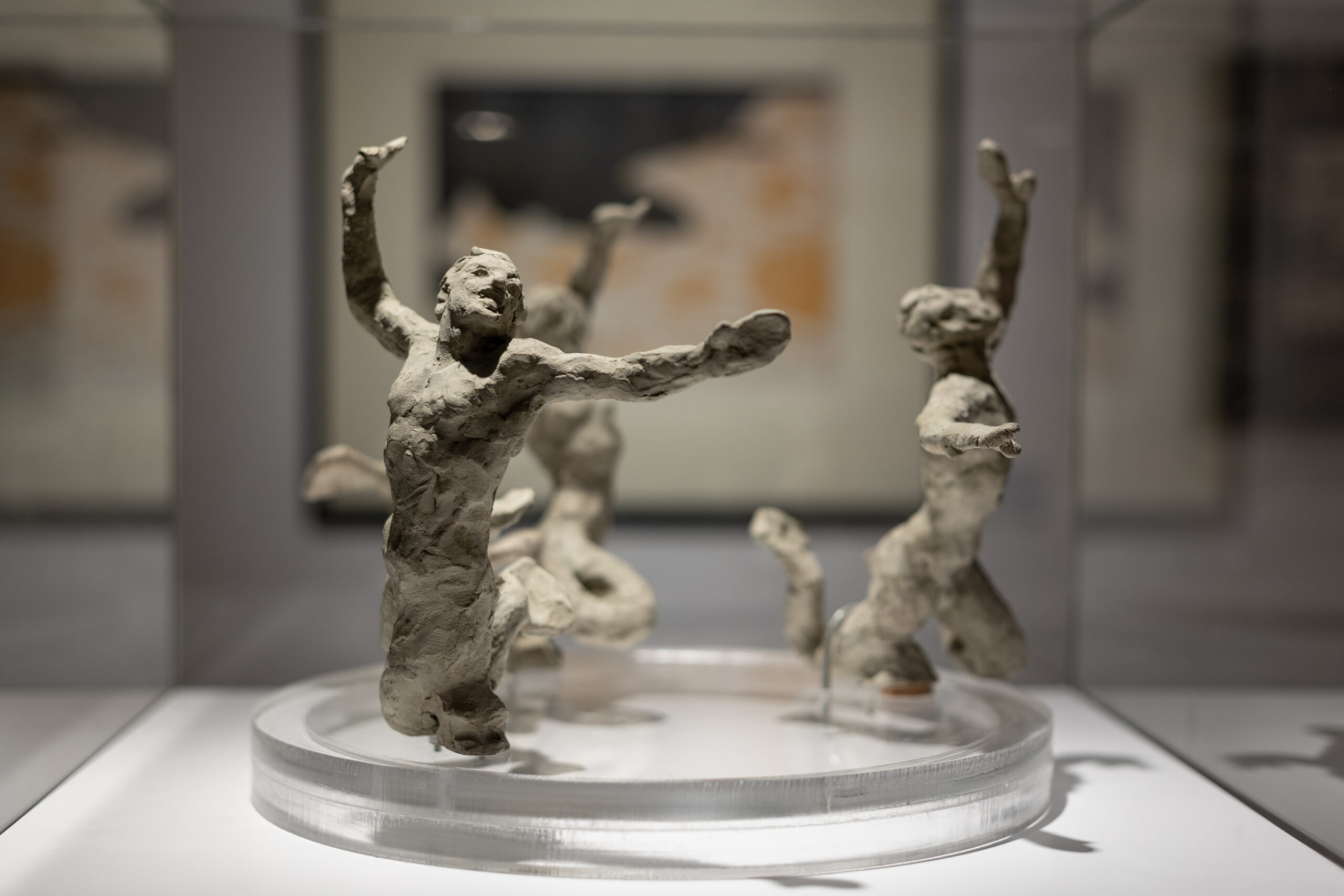
In 1953 the Ministry for Public Works and Reconstruction launched a competition for a fountain that would fill the area that was then empty. The 100 pounds (sterling) prize was won by Vincent Apap and collaborating draughtsman Victor Anastasi (1913-1992). The human figure is central to Apap’s work and this is something he wanted to include in his design for the Triton Fountain. Unlike his stark figures, these monumental giants of the sea are serpentine in motion, complimenting the circular pool they emerge from and the basin they lift. Completed by Apap in 6 months, it was inaugurated in 1959 and would become one of Malta’s most recognised and spectacular landmarks.
International and Royal Commissions
In 1930, Lt Governor Sir Harry Luke commissioned a portrait of his son Michael which was genuinely admired. This initiated a series of commissions among other notable British personages such as Lord Mountbatten who became one of Apap’s principal patrons. Mountbatten was also the link to the Royal Commissions that Apap carried out over the years between 1936 and 1961. The Duke of Kent (1936), Princess Elizabeth (1949), and the Duke of Edinburgh (1954). In 1961, brothers Vincent and Willie were commissioned to execute the portraits of Prince Charles and Princess Anne in both sculpture and painting. These then formed part of an exhibition in London which was the result of a movement to promote the arts and culture of Commonwealth countries. In 1962 the Commonwealth Institute Art Gallery was inaugurated in the newly built Commonwealth Institute, and the Apaps were the first of the Maltese artists to be exhibited there. Other well known personages that Apap executed remarkably in bronze bust form are playwright Noel Coward (1935), Winston Churchill (1954), and pianist Cynthia Turner (1955). Apap was also commissioned to model the life size statue of Lord Beaverbrook (Canadian financier and newspaper proprietor in Great Britain, William Maxwell Aitken 1879-1964) which was carried out in 1956 in the South of France and eventually shipped to Canada in 1997. It stands in Fredericton, New Brunswick.
Other Works
Apap’s versatile nature is evident in the less known works. He experimented with wood (Ballerina1974), alabaster (Woman in Faldetta 1960), ceramics (Miss Scarlet Meadows 1985) and even fibreglass. His statue of Lazarus (1972) is probably his most contemporary work composed entirely of bands of fibreglass, representing the bandages around the figure which is hollow. In 1980 Apap was selected to design the Europa Stamps set depicting patriots Rużar Briffa and Mikiel Anton Vassalli. He first modelled their portraits and then designed the stamps.
Technique
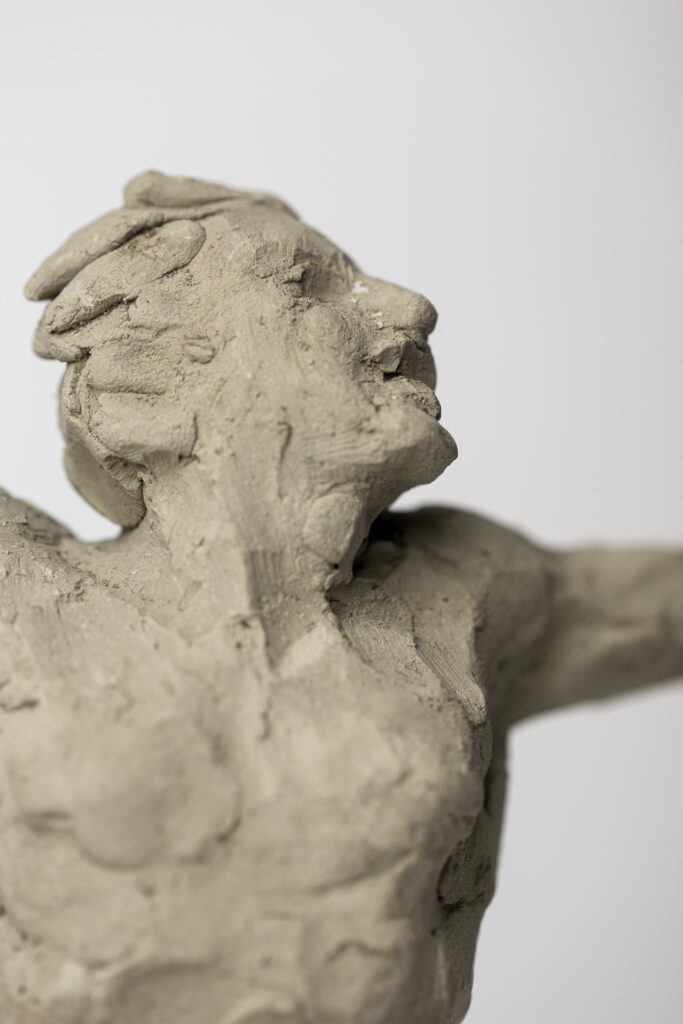
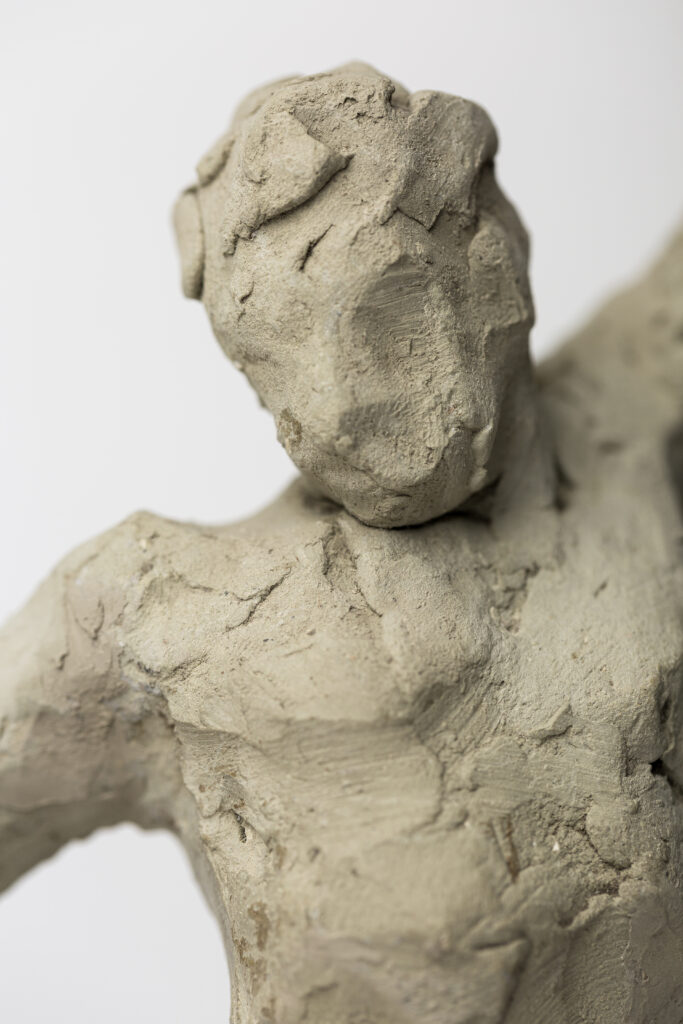
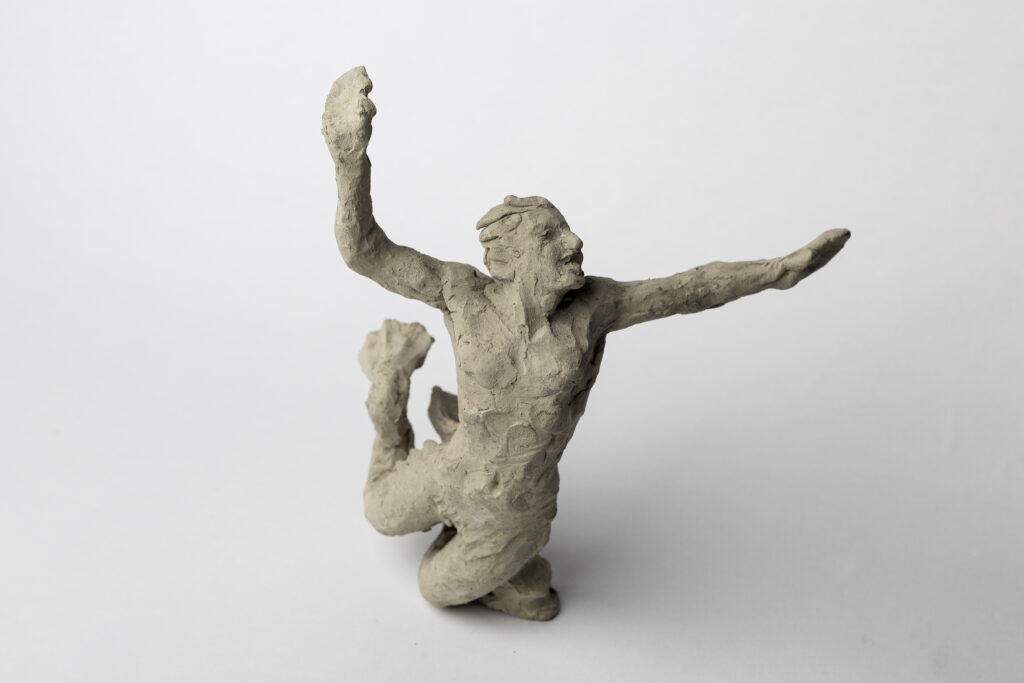
Clay remained Apap’s preferred medium throughout his artistic career. This is probably what encouraged him to work fast due to the fact that clay dries quickly in warm temperatures and then cracks. Some of his larger works such as the Triton Fountain were executed directly in plaster for this reason. Most of the bronze casting was done at foundries in Naples however there were some local foundries Apap used for the smaller works – Sammut in Birkirkara, Robinich in Zabbar, Abela in Ħamrun and Chetcuti in Luqa.
Vincent Apap married Maria nèe Bencini on 14 April 1941 and they had a son, John, and two daughters, Nella and Manon.
Apap was awarded Officer of the Order of the British Empire (1956), Gold medal of the Society of Arts, Manufacture and Commerce (1965), Cavaliere Ufficiale Repubblica Italiana (1968), Order of Merit (1993). He was nominated a knight of the Sovereign Military Order of Malta in 1963.