Isabelle Borg was born in London to a Maltese father Aldo and an Italian mother Renata nee Galeotti from Florence. Her regular trips between London, Florence and Malta as a child, exposed her to the art, culture and environment of these places which had a lasting impact on her art. Her later stays in Berlin (Germany) and West Cork (Ireland) also contributed to this, imbuing her art with international influences as well as the concepts of travel and relocating. Her works are often thematic or what she refers to as ‘painting in cycles,’ and are characterised by bold, vibrant colours, exploring form and space. Borg was also an outspoken voice for the feminist movement in Malta and in her later years an environmental activist, criticising rampant development and the destruction of historical buildings.
Education and Career
The family left London in 1973 and relocated back to Malta when Borg was 14 years old where she attended St Joseph’s Convent School and then the Polytechnic in Msida. In 1979 at age 20, Borg returned to London and worked as a graphic designer for KPHS Advertising and then at Decca Record Company as a graphic designer and typographer designing record sleeves. Between 1982 and 1986 Borg pursued a B.A (Hons) degree in Fine Art at the Camberwell School of Art in London. In 1988 she returned to Malta and set up a studio in Floriana. She graduated with an M.A in History of Art from the University of Malta in 1994 and then became a lecturer of Fine Art and Art History at Junior College and the University of Malta. Borg set up the Moviment Mara Maltija, a movement that focused on equality and women’s rights, of which she became president in 1992. Voluntary projects she initiated included making arrangements for the Malta Government School of Art students to sketch studies of Baroque paintings at the National Museum of Fine Arts, and providing weekly classes of art as occupational therapy at the St. Michael’s Hospice Day Centre in Santa Venera.
Works
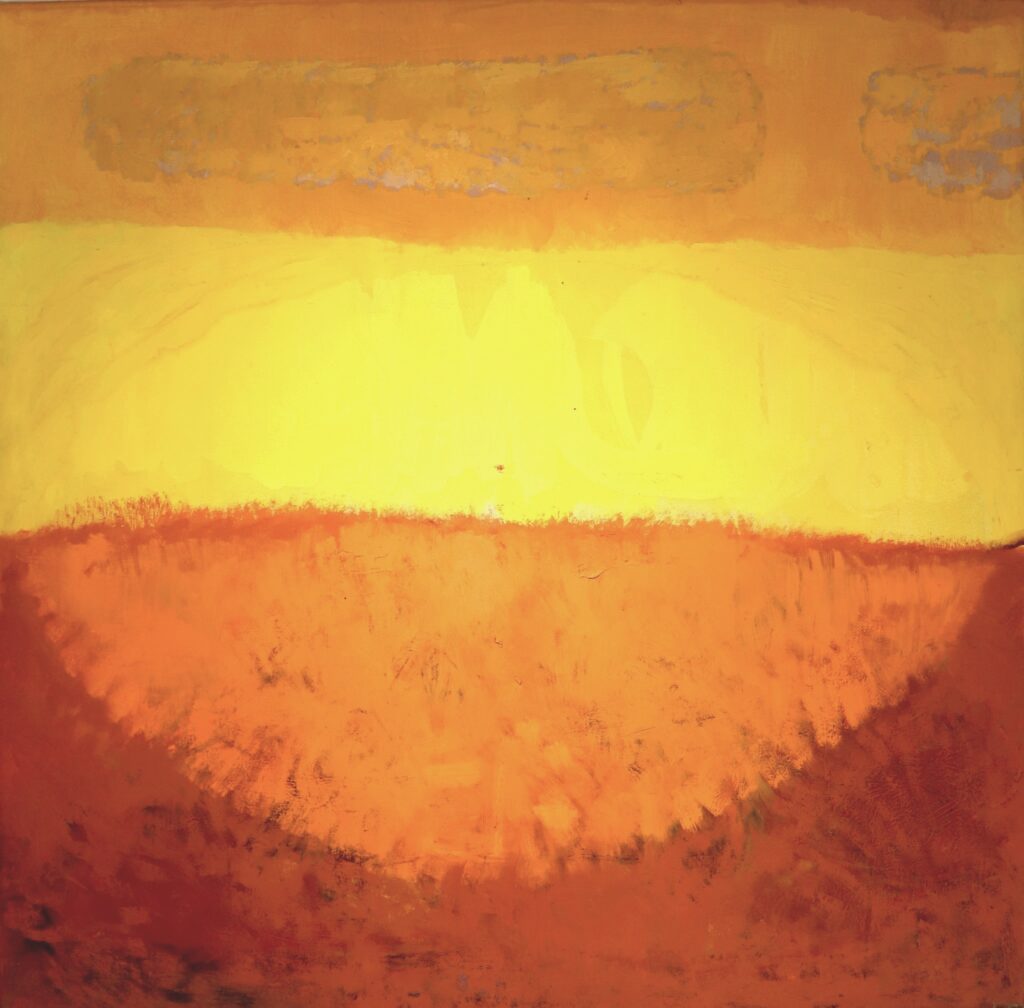
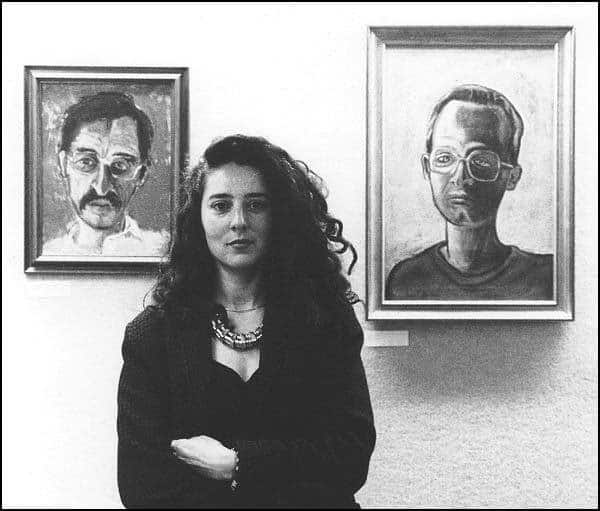
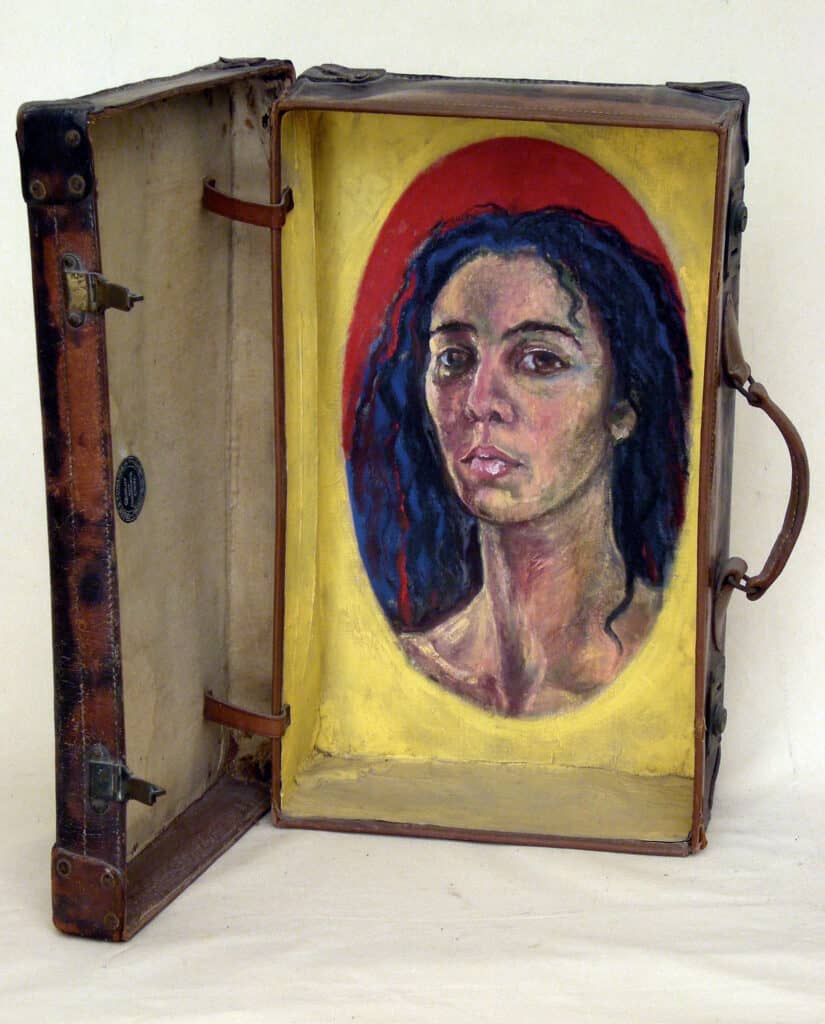
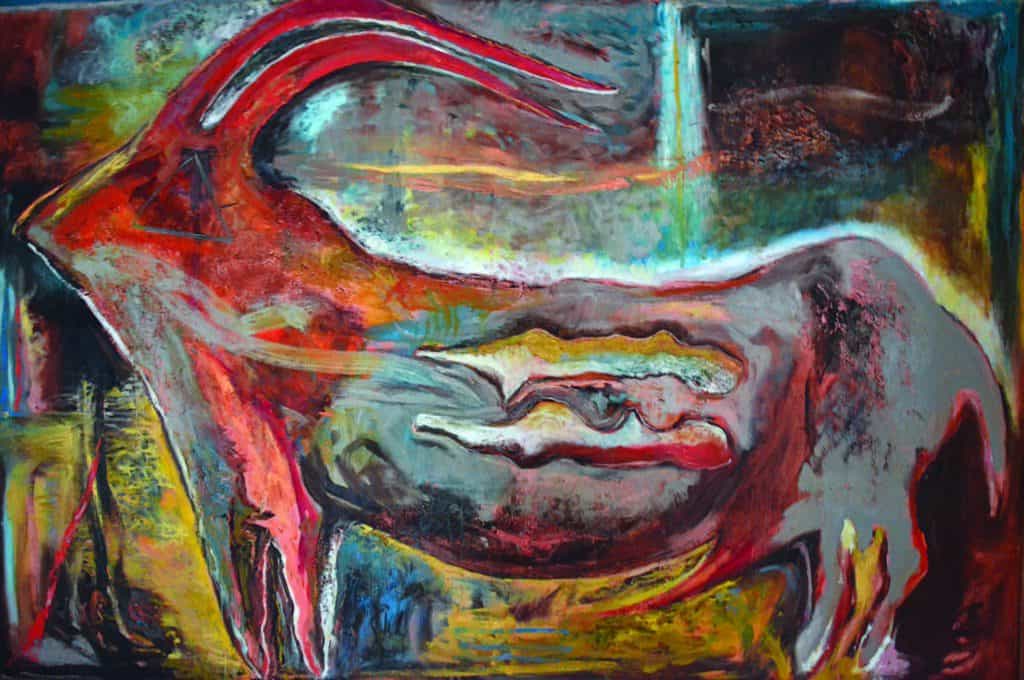
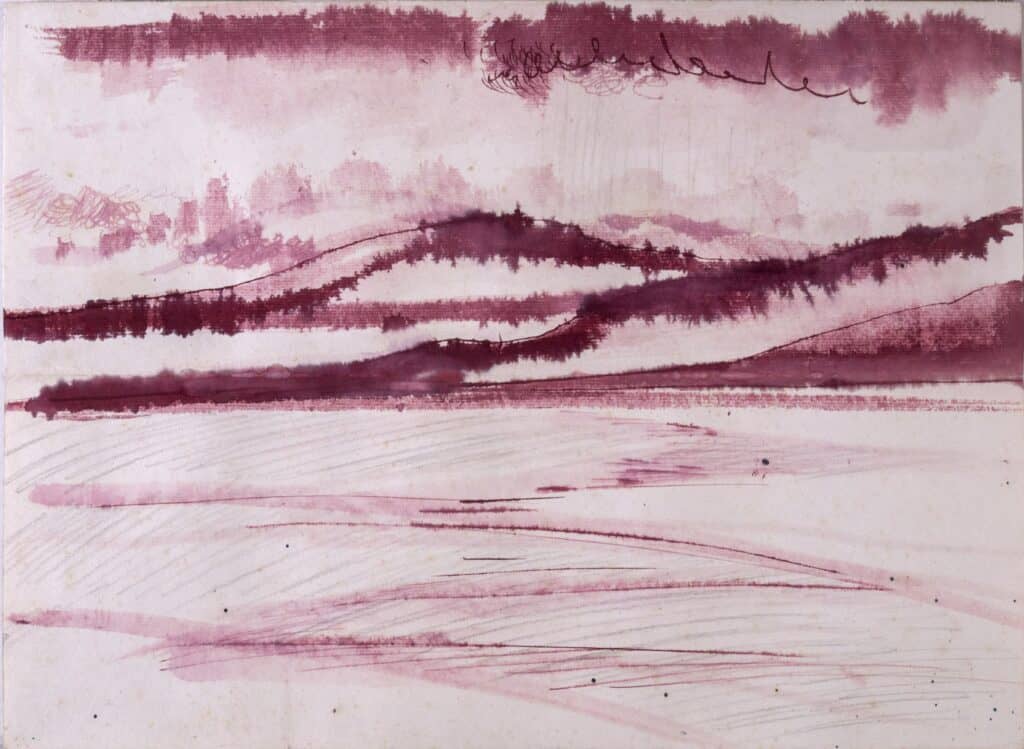
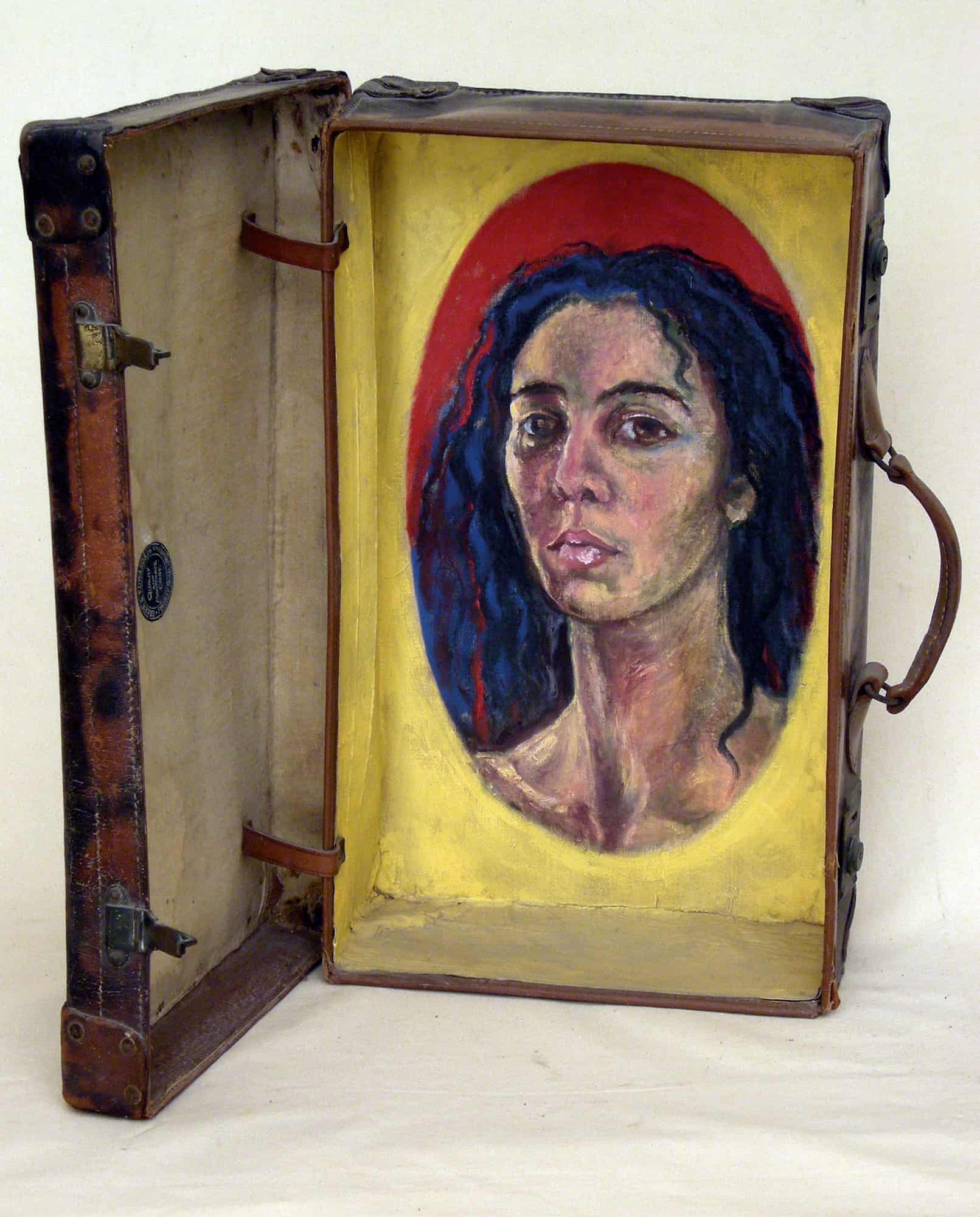
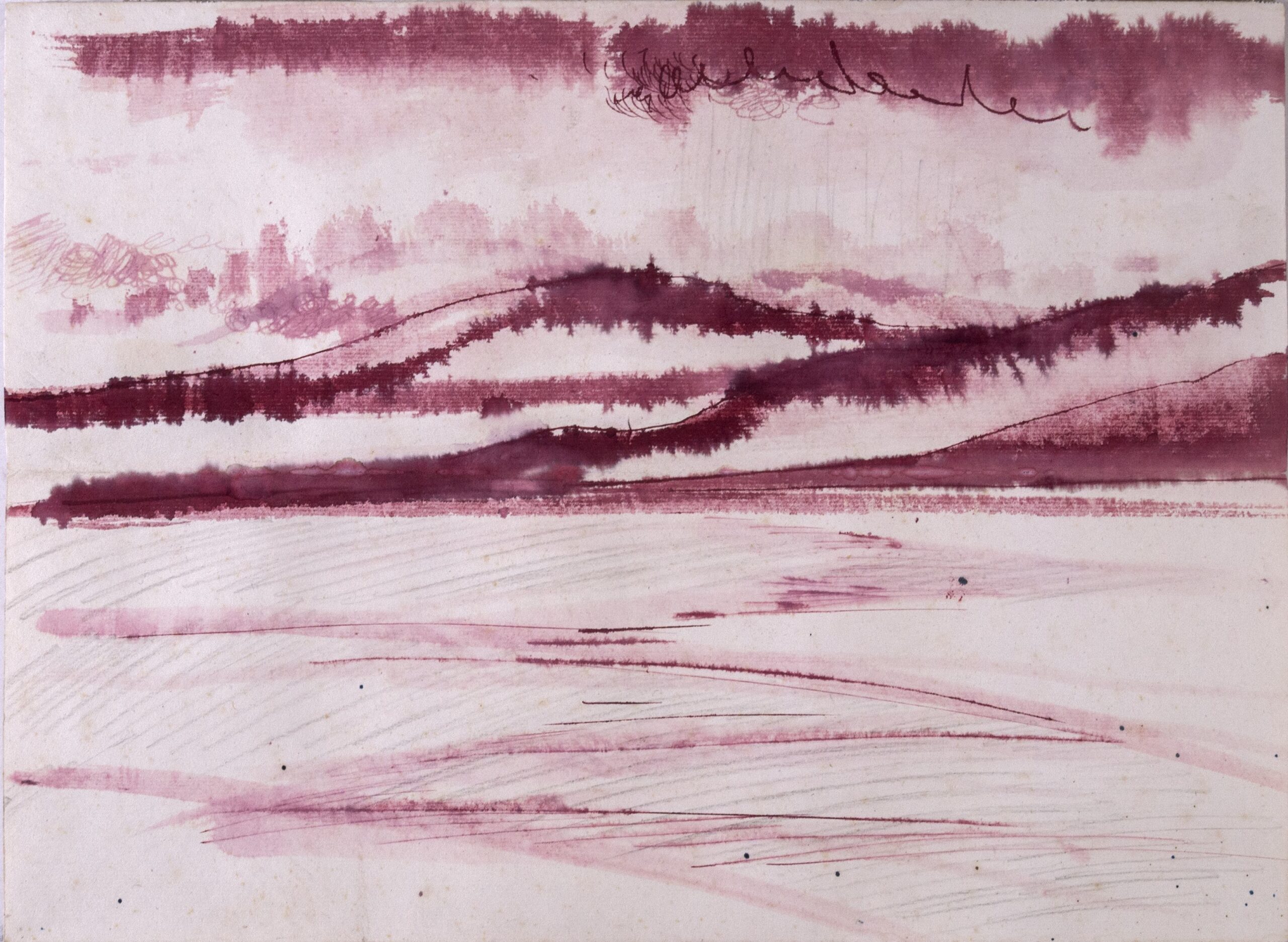
Borg’s thematic explorations include primitive motifs and prehistoric art, landscapes, the human figure particularly the female form, portraiture and abstract art. In London she encountered the works of the post-war artists such as Lucian Freud and Francis Bacon whilst in Italy she found the Transvanguardia – a movement that rejected minimalism and returned to figurative painting and mythic imagery. Her fascination with prehistoric art began as a young child on outings with her father around Malta’s prehistoric sites. In the artist statement on her website she states: the theme which runs through my work, not so much as subject matter but in spirit, is the essence of the primitive. Lovers in the Bull, Little Dancing Bull, and Woman in the Bull all from 1984 are the best known of her primitive series. Borg plays with perspective and form in her Maltese landscapes as she paints the coast, the harbour, the fortifications, characterised by bright colours, strong brushstrokes and movement. Her Irish landscapes from her sabbatical in Cork are equally bright and vibrant though deeply atmospheric as she portrays different weather spells over vast plains and beaches. As a passionate advocate for women’s rights, this is also reflected in her art, going against the conventional idea of beauty in both her figurative works and her portraiture. Sex workers in her two workings of Albert Town are sullen, bored, apprehensive and in no way flirtatious. Her sense of humour as she takes a dig at the typical representation of the female nude with Standing Nude is one of her most poignant pieces. This formed part of the exhibition The Nude in 20th Century Maltese Art in 1993 – a male dominated exhibition with only a handful of male nudes on exhibit. Borg’s Standing Nude depicts an empty alcove with a pair of black high heeled shoes at the bottom – a humorous yet impactful tribute to feminism. Borg’s portraits of friends, family and self portraits are numerous, colourful and expressive. She also painted some of her fellow artists – Caesar Attard (1989), Antoine Camilleri (1988), Pawl Carbonaro (1989) among others. Also forming part of her portraits is her suitcase series – portraits painted inside open suitcases, often couples or family members, as she examines relationships, her past relocations and her love of travel. The circle is a predominant shape in her abstract works as she plays with shape and colour, yet nature is always the root of inspiration. Pink Morning (1988), Orange Sky Blue Lake (2002) and Eclipse (2001) see the circle as the sun, a lake and the sun and moon respectively. Borg worked mainly in oils though she sometimes incorporated different textures into her work such as sand, soil and gauze. She also experimented with encaustic painting – another fitting tribute to the past.
Exhibitions
Isabelle Borg first took part in an exhibition in 1982 as she formed part of the Women Artists of Malta that was held at the Galleria Fenici, Valletta. Her first solo exhibition was titled Paintings and was held at the National Archaeology Museum in Valletta. Portraits followed in 1989 and Landscapes in 1991. Over the years, Borg continued to exhibit her work locally until 2008 when Strange Cargo at the Museum of Fine Arts, Valletta was her last exhibition. Borg also exhibited internationally – in the UK, France, Germany, Ireland, Greece and Egypt.
Publications and Design
Borg was behind various design projects such as stage design for the play Assemblywomen by Aristophanes at the University of Malta open air theatre, directed by Joe Friggieri 1995; book design and images for Mitt Hajku poems by Joe Friggieri 1997; and a set of four postage stamps commemorating Malta – UNESCO Year of the Ocean 1998. Between 1996 and 2008 she collaborated with writers and art critics on seven publications. Her solo academic publication, The Maritime Ex-voto – a culture of thanksgiving in Malta – was based on her M.A thesis on the ex-voto tabella painting, 2004.
Whilst in London, Borg met photographer Graham Cooper, who became her life-long partner. Isabelle Borg passed away in 2010 aged 51, after being diagnosed with pulmonary fibrosis in 2007.