

The Glass Shatters
Dr Christian Attard
In this first of three posts, Dr Christian Attard outlines the landscape from which emerged Emvin Cremona’s Glass Collages—fragments of thoughts about a shifting world, a tension-wrought island-nation, and an artist caught between honouring the past and aligning with the present.
Think of glass. What do you know about it? What synaptic connections and semiotic meanings are formed in your head? Which memories are triggered?
Glass is smooth, malleable, hard, fragile, sharp, dangerous, transparent, liminal, durable. Glass, like alchemy, transforms from one state to another: sand melts into liquid, but never cools back into its original crystalline form. Instead, glass remains caught between two states, neither solid nor liquid.
It waits.
Glass separates, or it brings two worlds together, the mundane and the spiritual: in the stained-glass windows of a Gothic cathedral, transforming natural into transcendental light—the presence of God, transubstantiating.
Glass can signify order. Or a Kristallnacht of destruction. Beautiful in its pristine state, but maybe not ugly if shattered. And is beauty essential after all? Perhaps meaning, rather than beauty, is, as Arthur Danto would say. Or possibly, as in Karlheinz Stockhausen’s provocative thought: utter destruction has its own kind of beauty.
Kintsugi, the art of lovingly piecing back together broken shards to find the whole again, heroically embraces and acknowledges the breakage.
Brokenness has its own kind of beauty. Here, then, is resilience.
Now think of Malta in the 1960s—like glass, perhaps, caught between states. Resilient but easy to shatter; weak under tension. Malta, a small island in transition, trying to keep up with the changing times whilst fighting its own inner demons: political, social, religious. A people searching for their identity now that umbilical cords were severed; proudly, if falteringly, forging ahead—the mini-skirt and the black faldetta; political integration and independence; Catholicism and counterculture; Mintoff and Gonzi; recital of the rosary and pop music; the Malta Labour Party (MLP) and interdiction; rural Malta and the lunar landing; tradition and innovation.
The Maltese Catholic Church came down heavy-handedly on any form of secularisation, eager to nip all signs of deviation in the bud. It withheld the administration of the holy sacraments and excommunicated supporters of the MLP, now condemned, at least in the Church’s eyes, to a hellish afterlife. Gonzi and his Church became the bulwark of tradition, the self-proclaimed gatekeepers of a Malta purified of modern qżież—‘filth’—to borrow Malta’s national poet Dun Karm’s peculiar turn of phrase.
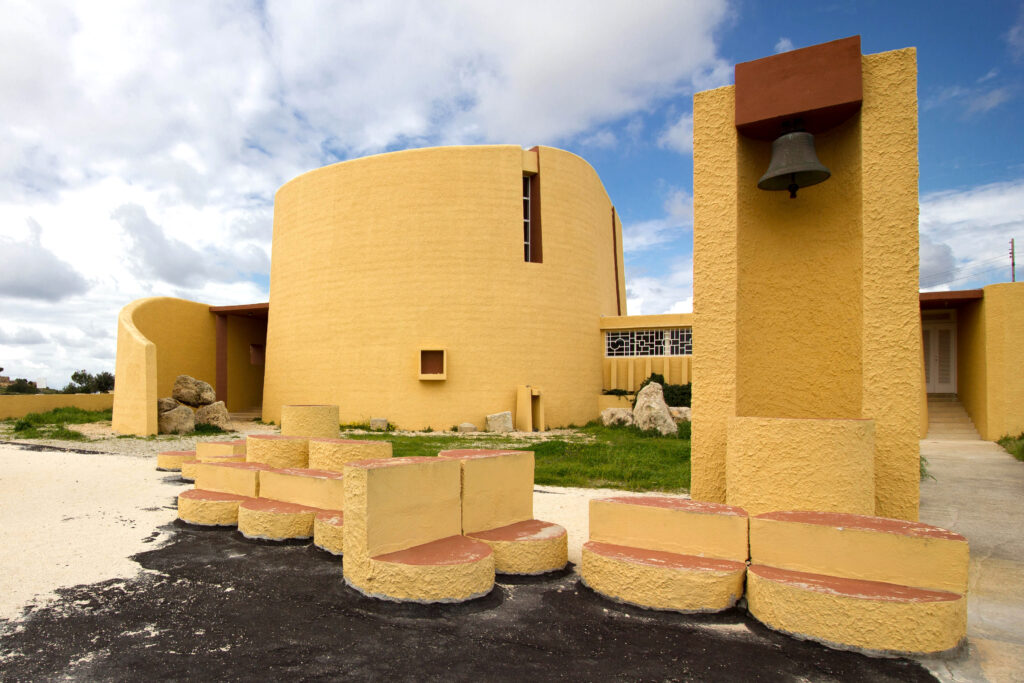
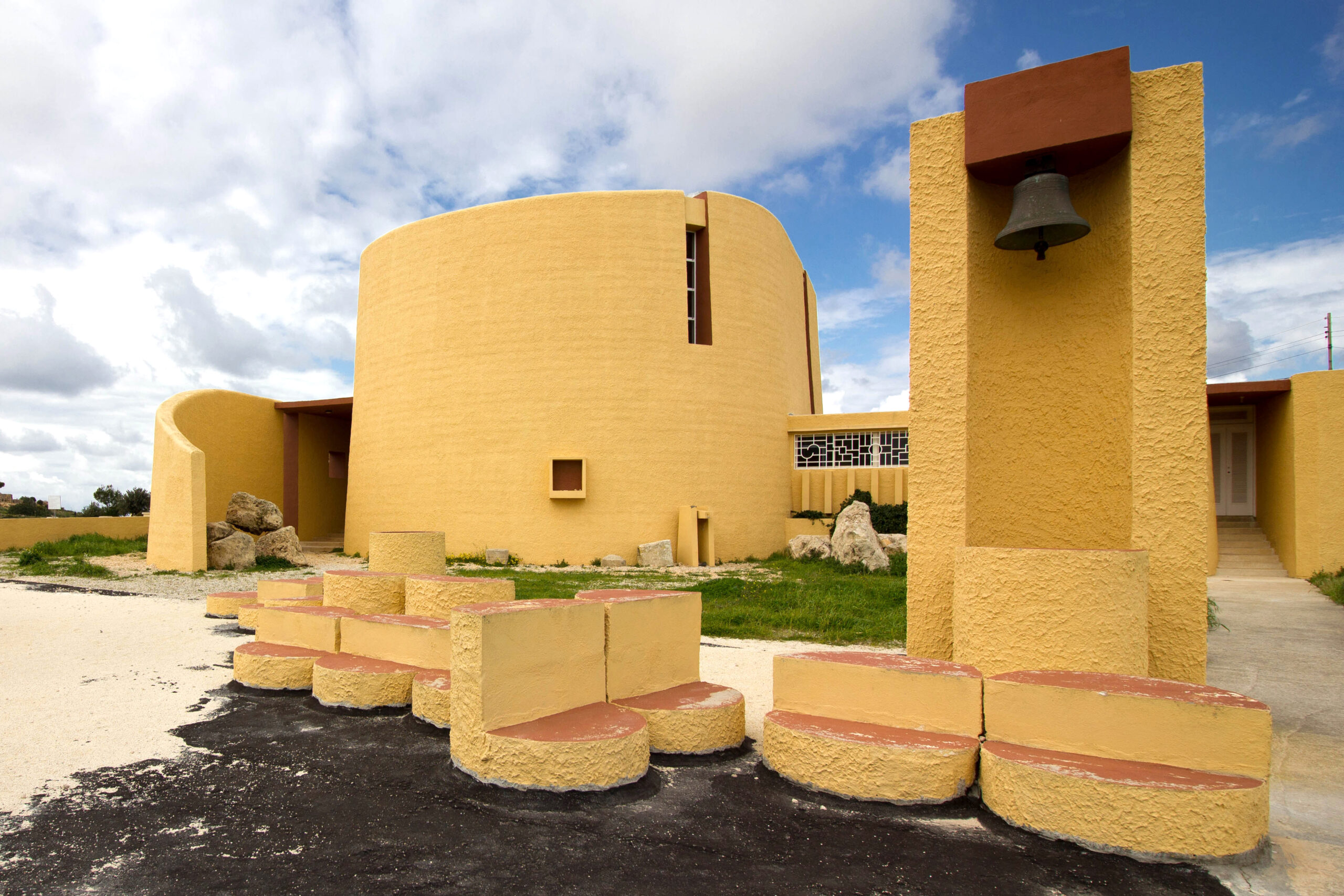
Tourists, welcomed as the saviours of Malta’s fledgling economy, introduced ways of behaviour and expectations that collided with the island’s tightly guarded moral codes. Television sets broadcasted worlds, even if only as mediated through RAI, Italy’s national TV station, unheard of in tiny Malta. The Vatican Council II showed that even the wider Church, through Pope John XXIII, was making serious attempts to renew itself, embracing freedom, equality and tolerance as its way forward. Archbishop Gonzi, more out of deference than conviction, just about complied. In recognition of the new times that were beckoning, a significant number of churches built in Malta during the period moved radically away from the comfort zone of tradition. Richard England’s church in Manikata is, perhaps, the most notorious. But equally challenging were Valerio Vigorelli’s and Jo Tonna’s Church of All Souls in Tarxien and Arturo Zammit’s in St Julian’s, amongst others—churches that looked as visually daring as the new hotels that were sprouting along Malta’s coastline.
Think of the story of Maltese art, of twentieth-century art. Until the end of the Second World War, it was almost exclusively geared to look at Rome for inspiration—Rome: pontifical, eternal, majestic, layered, and seductive. How could one ever look elsewhere? Yet, perhaps it was precisely because of its intimidating grandeur, its shackles to tradition, the looming presence of the Vatican right in its midst, that Rome became, not a beacon, but a burden. Rome, the mirror in which Malta sought its reflection, only showed her what she was meant to be, never what she could become. In a postwar era, Maltese artists sought to move away from all this. Slowly, tentatively, tiptoeing around a status quo they did not really want to disturb. Yet, occasionally collectively, as part of the first art groups that were being formed, and at times individually—like Esprit Barthet, Antoine Camilleri, Frank Portelli, amongst others—started to nip away at tradition.
Attrition, not concerted attacks, was their stratagem.
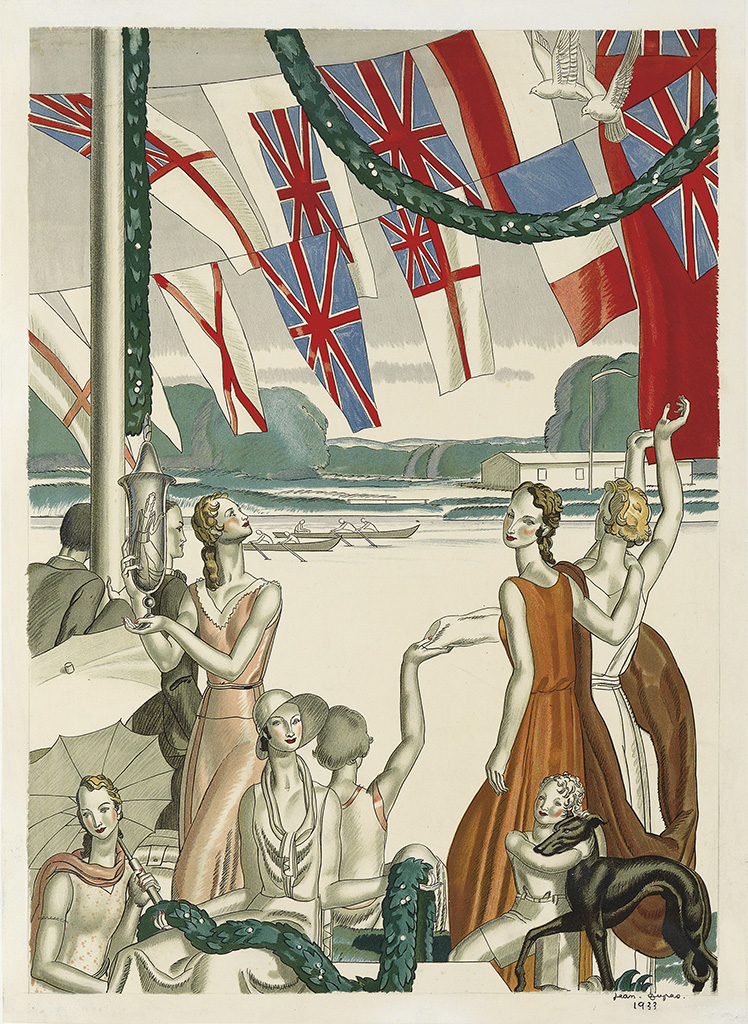
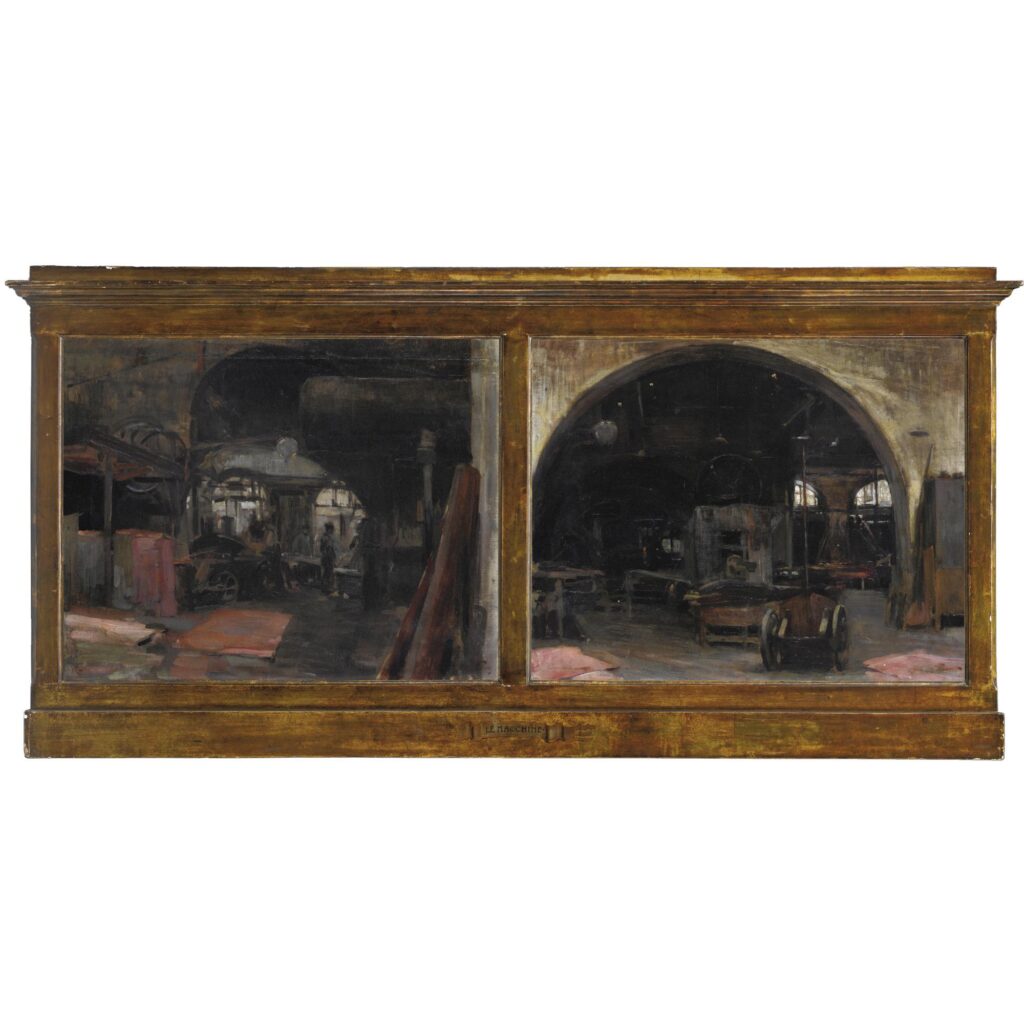
Emvin Cremona (1919–1987) was their peer, an old friend of theirs. His was a similar artistic trajectory. Initially studying at the Malta School of Art under the Caruana Dinglis and Carmelo Mangion, then, hoping against all hope, to pursue his studies abroad. He was one of Carlo Siviero’s students at the Roman Accademia when war broke out, but later, when things had calmed down once again, another scholarship enabled him to resume his studies, now at the Slade School in London and, for a short while, at the Parisian École Nationale Supérieure des Beaux-Arts with Jean Dupas.
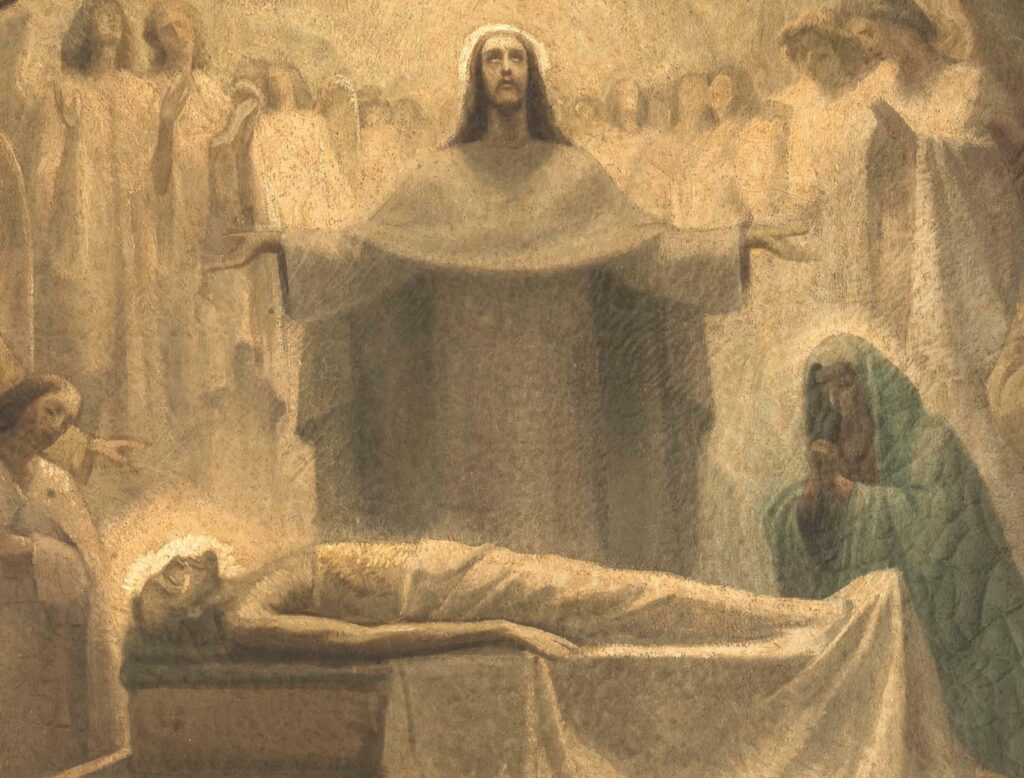
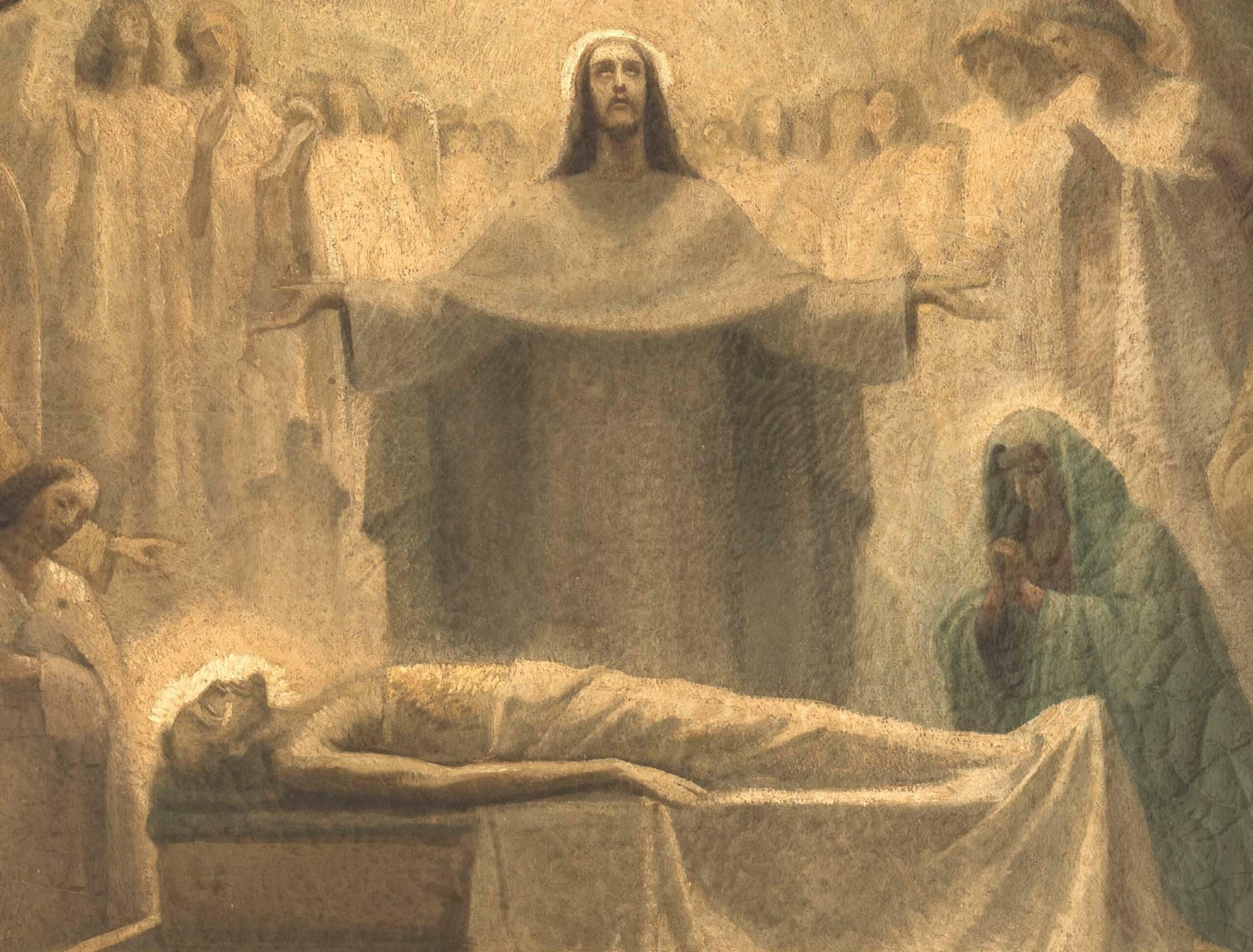
War did etch deep lines within him. Emvin lost two friends, one possibly his closest. Carmelo Borg Pisani, executed by the British forces after being accused of wartime treason, and Anton Inglott, whose fragile health, already compromised, deteriorated even further because of wartime privations. Inglott, a studious, contemplative young man with a mystical gaze that lent a sacred aura to everything he painted, had already proven himself a worthy ecclesiastical painter. His Death of St Joseph at Msida’s parish church, majestic, ghostly, ethereal, taps into Mario Sironi’s solemnity and Arturo Martini’s grandness without any of their dubious connotations. With Inglott’s unfortunate death it was assumed that the only possible substitute had to be Emvin. And so, Emvin, still in his early 30s, found himself in a position which might not have been really all to his liking. An artist who was expected to give the Catholic brethren images assertive of religious certitude which, by his own admission, he may have lacked.
Emvin chain-smoked his way through a position as enviable as it was difficult to sustain. On the one hand, he was Malta’s foremost ecclesiastical artist—Gonzi’s predilected. On the other, there loomed the artistic freedom he had just begun to taste in London and Paris—Art Informel, among others. Its unbounded, visceral aesthetic was accessible but teasingly out of reach, reared as Emvin was on the seemingly immutable principles taught at the Malta School of Art and the Roman Accademia.
His personal life, too, was quietly pushing him further from that bohemian freedom he had scarcely savoured during his years abroad. A shift in living space; the responsibilities of married life—fulfilling, yes, but immense, began to draw their own lines in the margins of his creative autonomy.
To be continued