Modern Painters: Victor Pasmore by Clive Bell
Antonia Critien
‘…lines and colours combined in a particular way, certain forms and relations of forms, that stir our aesthetic emotions’.
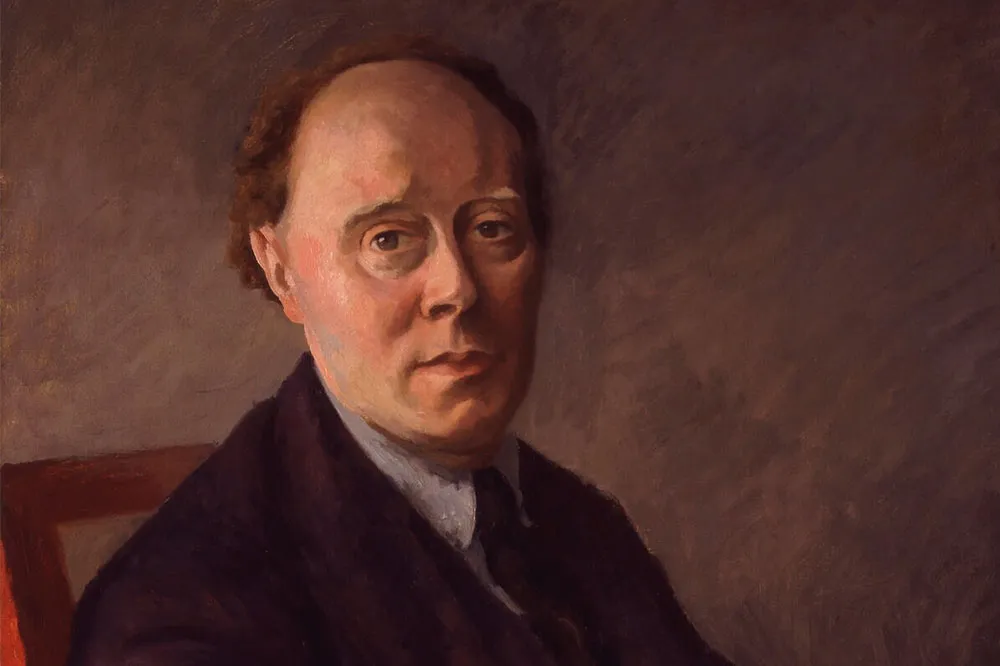
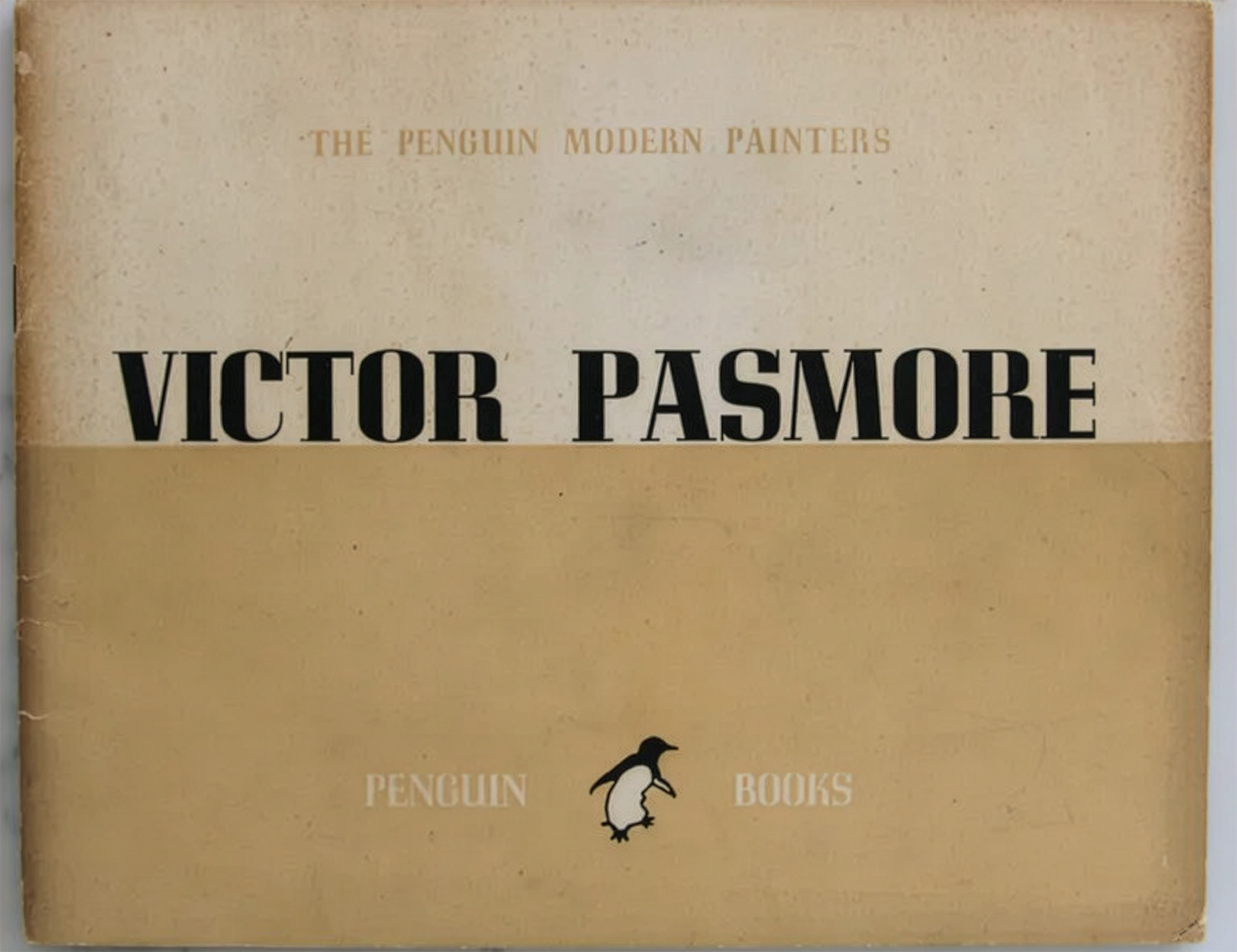
This is how Clive Bell (1881-1964), art critic and theorist, describes Significant Form, a term he coined to describe artworks that are still expressive and convey meaning despite not mirroring reality. From this theory, a precursor of abstraction, it becomes clear why Bell chose to write about Victor Pasmore for the Penguin Modern Painters series edited by Kenneth Clark and published in 1945.
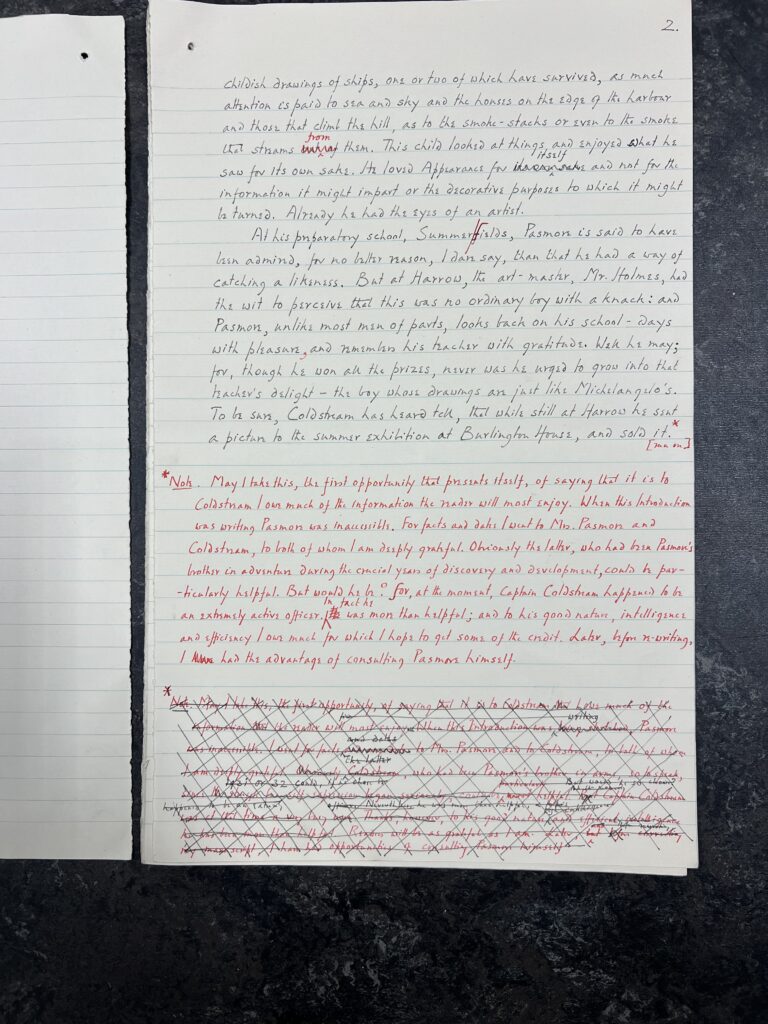
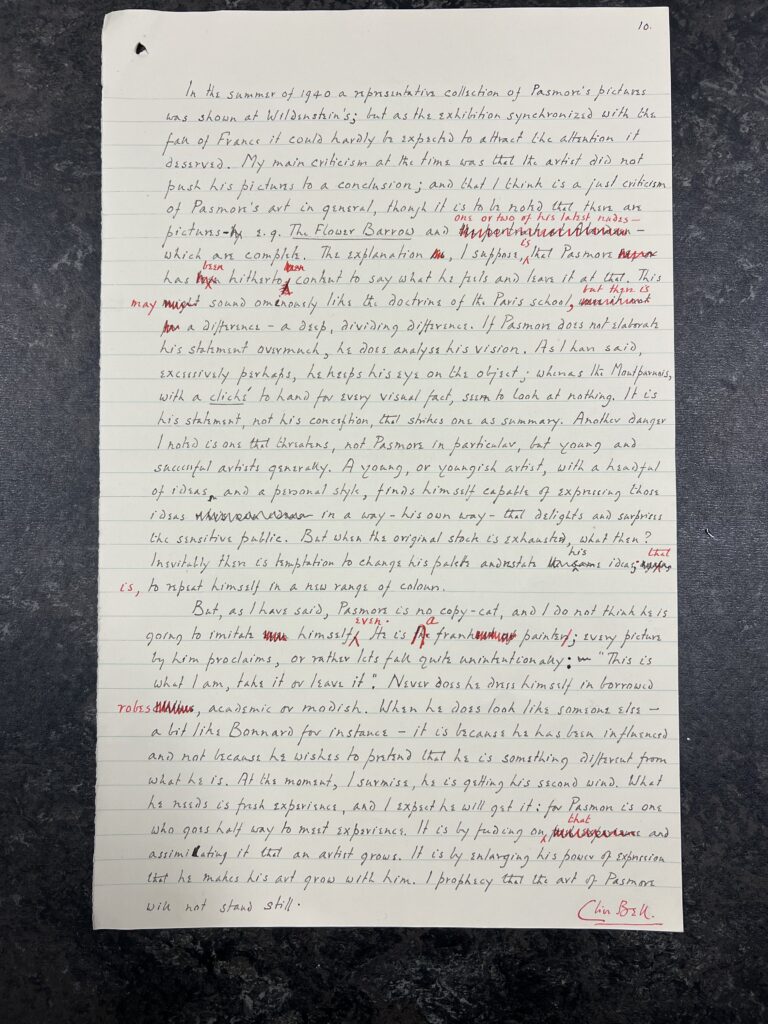
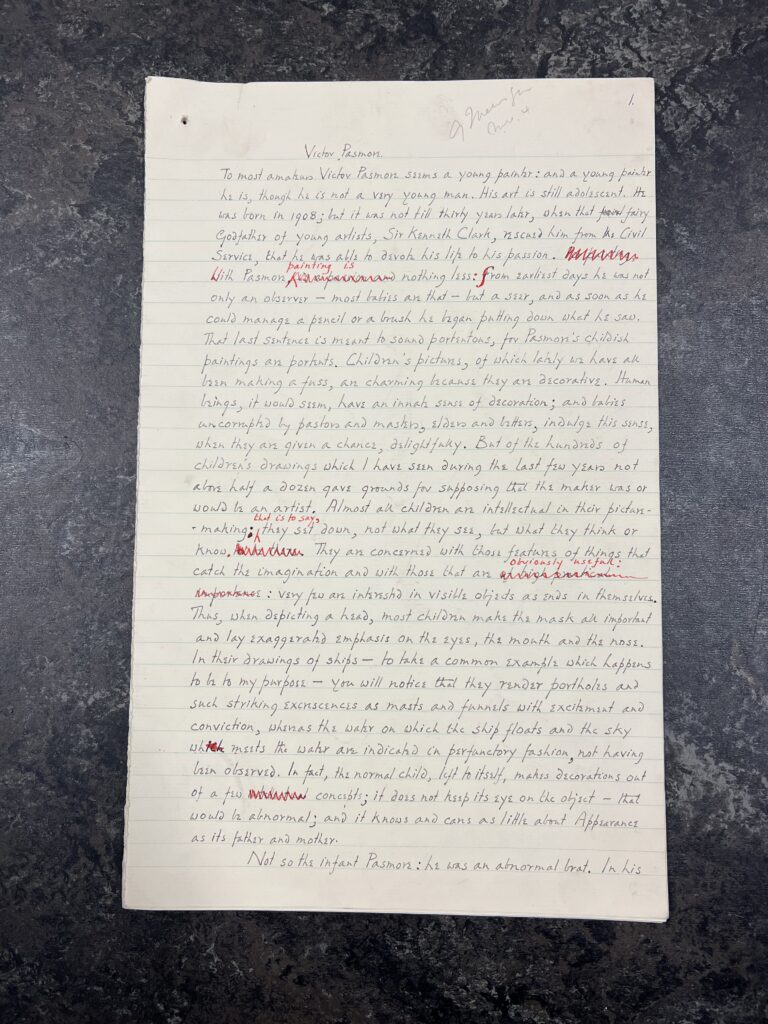
In the National Gallery Archives, London, is the handwritten script for the book. It is ten foolscap pages long and signed Clive Bell at the end. In this small, slim, relatively short book, Bell outlines Pasmore’s biographical timeline along with his artistic influences. When a certain trait in Pasmore’s work began to render him recognisable as an artist, Bell says: It is that of one who paints as a bird sings rather than as an architect builds. So joyfully, so unscientifically, so digressively even does he pursue his theme that he seems never to come up with it till the last moment – and sometimes not then. Not only does Bell accurately (and wonderfully) describe what is essentially abstract art – we may not see the bird in the painting, but we can hear it sing through form and colour – but he touches on something that Pasmore would admit over and over again – how his art is born out of the artist’s journey, with no preconceived ideas. That Bell is writing this as early as the 1930s is more than perceptive, though in line with his Significant Form theory.
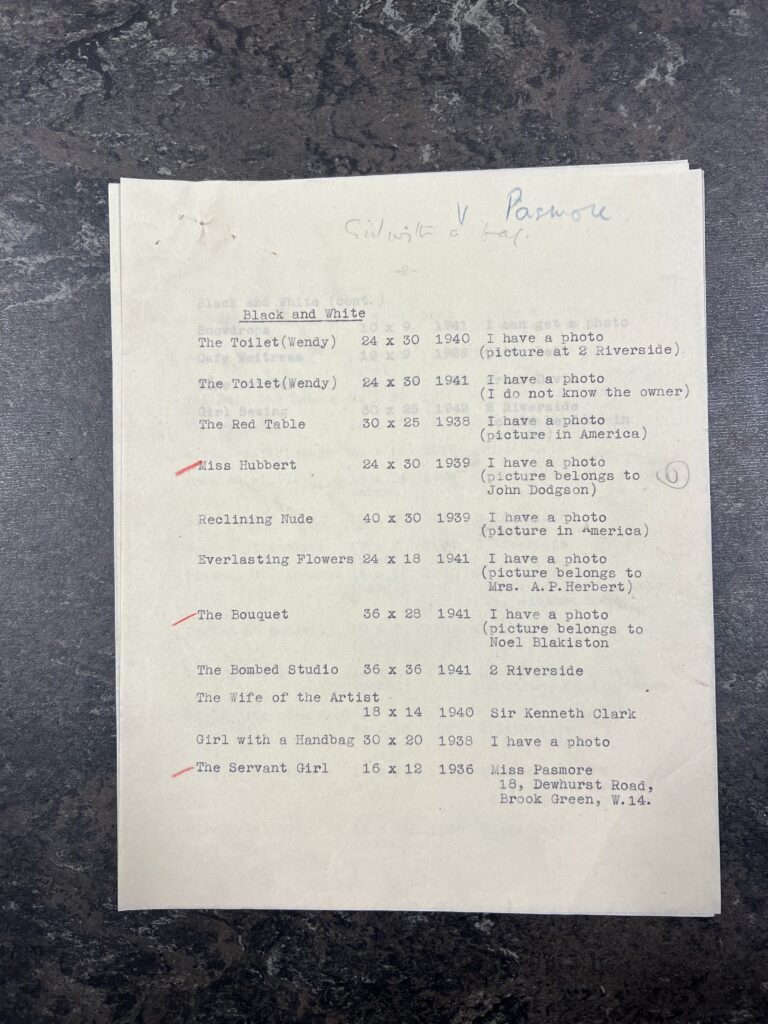
Whilst Clive Bell was busy finalising this book, Victor Pasmore was in prison in Edinburgh – arrested for absconding whilst on leave from the army in 1942. Like Pasmore, Bell was also a conscientious objector to war and was allowed to work on a farm during the First World War. Pasmore was not so lucky. In a letter to Kenneth Clark sent from prison, Pasmore expresses frustration that he cannot be around to advise with the book layout and images. How are the books? I do not know what form they are going to take. Will they be the same as the ordinary Penguin publications or something different? … It is very aggravating not being able to help choose the reproductions. When a selection has been made, will you send me a list via Wendy before finally deciding upon them? (National Gallery Archives). Also included with this letter and the book script is a typed list of Pasmore’s paintings indicating where they can be found and if they should be reproduced in colour or not.
Towards the end of the book, Bell describes where he feels Pasmore’s power lies – power to compel rhythm to enfold, entwine, convey shapely matter. He insinuates that the road ahead may not be easy, and will require continual experimentation to succeed, for, it is by enlarging his power of expression that he makes his art grow with him. I prophecy that the art of Pasmore will not stand still.