

THE GLASS REFLECTS
DR CHRISTIAN ATTARD
In this third instalment, Dr Christian Attard dwells on the intentions, reservations, and coincidences reflected in Emvin Cremona’s series of glass works.
In his Glass Collages, Emvin is iconoclastic but not destructive, abstract but meaningful, searching but never arriving.
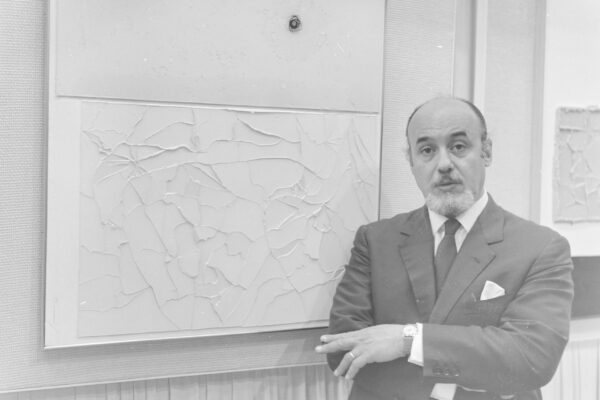
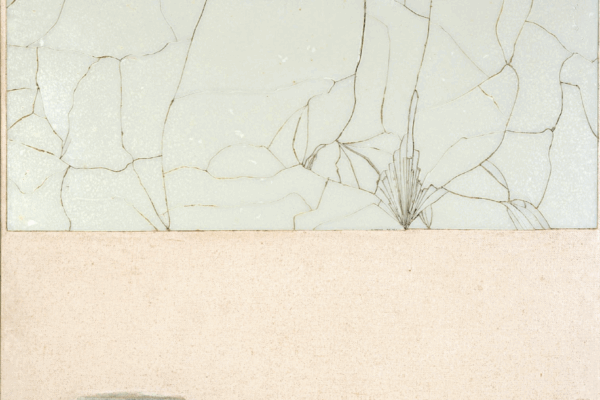
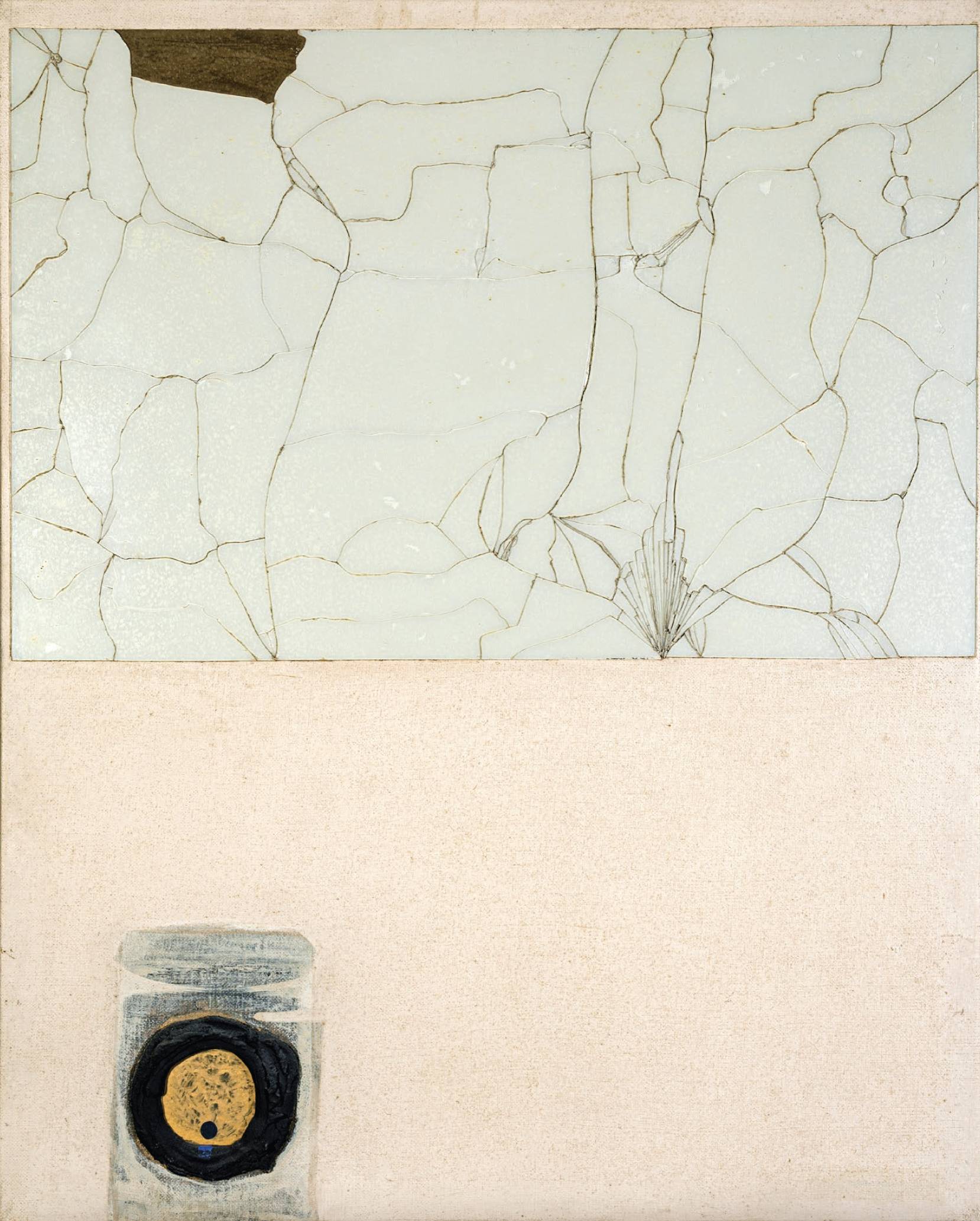
Untitled, undated, signed on the reverse, 126 x 102 cm. A thin sheet of glass occupies half the composition, dividing the surface almost equally. The remaining space is largely empty, disrupted only by a dense, circular impasto form in the lower left corner. Cracks radiate across the glass, some spiral, others branch out radially, suggesting multiple points or moments of impact. In the upper left, a missing shard has been meticulously replaced with a gold-like substance.
This is an exercise in form, pushing material beyond its comfort zone; an exercise in chance and possibility; an exercise in carefully measured balance and harmony.
Cremona was of two minds about this and the rest of his series. He must have wanted to share it yet feared how it might be received. He was veering too far from what people, especially Maltese viewers, expected of him. They would have seen themselves reflected in the fractured glass, as if through a glass darkly, and they might not have liked what they saw.
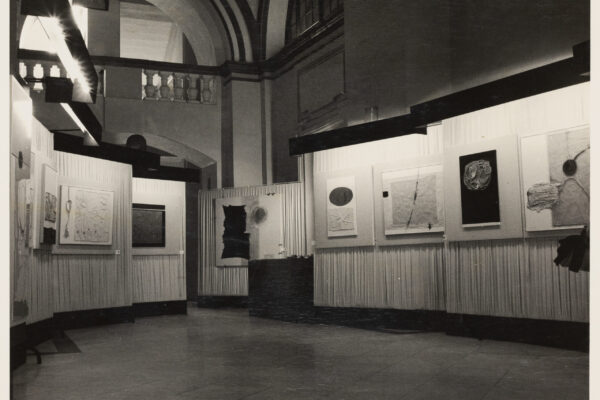
For his May 1969 exhibition, where the series was shown as it stood then, coinciding, not unintentionally, with his 50th birthday, he invited Richard England to write about it, but with a strange proviso: England was asked to respond to the works without seeing them. He accepted the invitation, but not the condition.
A few years later, by then having more than familiarised himself with the works, England would write:
The cleft-gashed edges contrasted by the smooth ice-glaze polished glass surfaces imply a strong sense of sincerity and clarity of thought on the part of the artist. Their simplicity is deceptive, both from the productive and receptive point of view, for within themselves they contain a dynamic ambiguity incorporating order within controlled chaos, colour within almost virgin whiteness, and diversity within revitalized uniformity. They evoke in the observer calescent emotions of the highest order.
Emvin’s was not a revolt. More a kind of reckoning; a meditation on himself and his world.
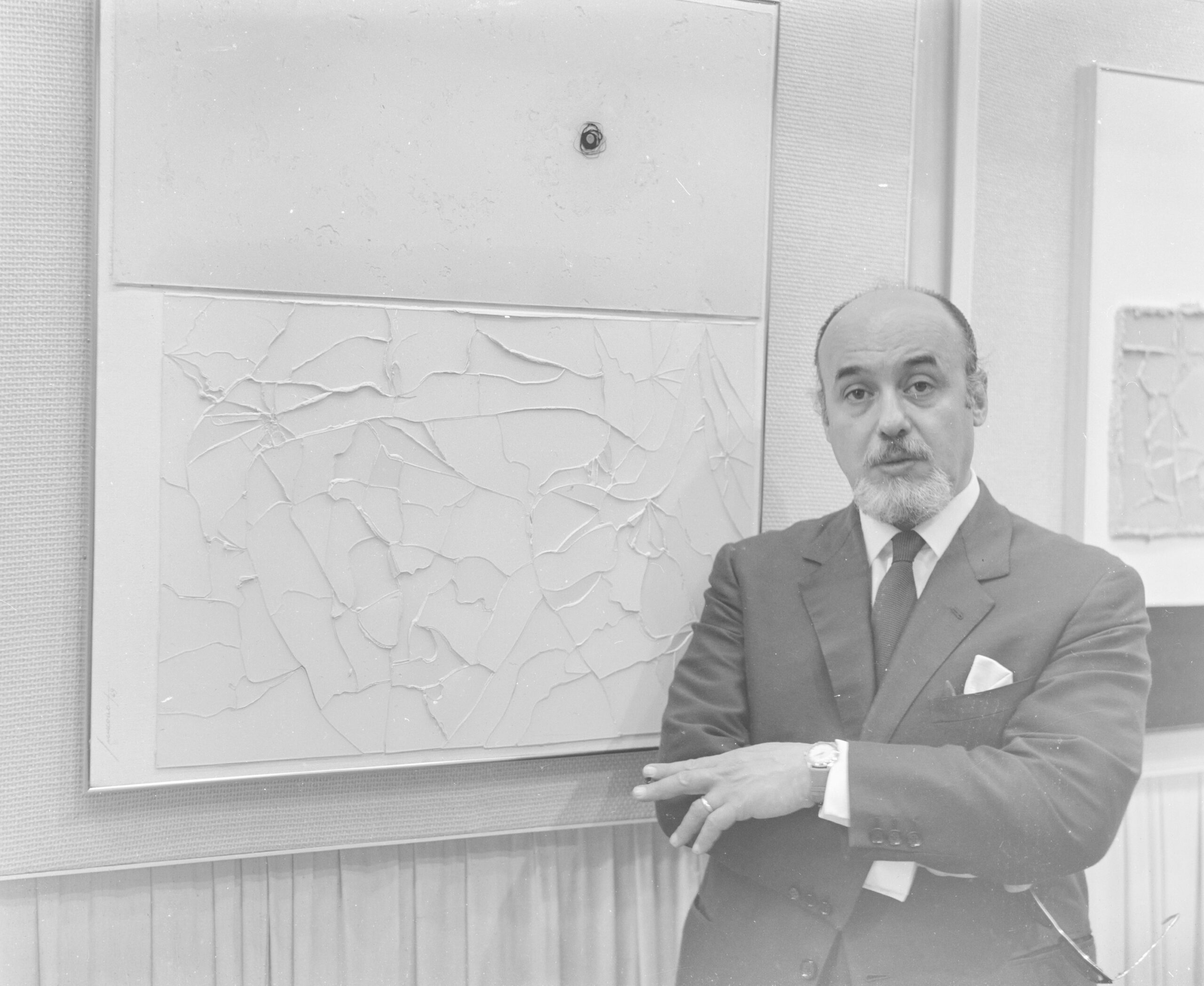
Emvin Cremona: The Glass Collage held inside the Victor Pasmore Gallery, Valletta, invites us to equally meditate upon these works. The exhibition’s overall tone is reverent, almost hagiographic. Apart from the works themselves, never seen together in this amount, here and there one encounters photographs of the artist or hears snippets of voices engaged in conversation. Emvin might have been slightly bemused by all this.
Yet, through the gallery’s façade apertures, a glimpse of the Church of St Paul’s Shipwreck adds an accidental but profound counterpoint. Artist and saint find each other again, facing off. The possible connotations behind that chance encounter are endless. One imagines Emvin, cigarette in hand, smiling at the symmetry of fate, seeing in this juxtaposition some sort of cosmic joke: tragic, sacred, absurd, beautiful.
With many thanks to Victor Pasmore Gallery for holding the exhibition, Emvin Cremona: The Glass Collages, and to Giulia Privitelli, Evarist Bartolo, and Gilbert Calleja for inspiring deeper reflection on this subject.